Jack's Story
Bonnie writes: I became interested in willow basketry in 1980. Living in Seattle and working in City Planning, I needed an outlet for hands-on creative endeavours. I started taking general basketry courses with Ellen Lam through the unique Experimental College at the University of Washington. Westerners liked “naturals” and there was not much reed basketry out West, at that time. Using cedar bark and other naturals, I knew that I was getting closer in my quest. Willow was exciting to me and them! I also met Michelle Berg who later started “The Basketry School” in Seattle. Shereen LaPlantz, international artist and basketmaker, author of Mad Weave and founder of the Newsbasket magazine, was a frequent visiting teacher.
About the same time, I was visiting a girlfriend, Victoria Arrowsmith-Brown, living in Bristol, England in 1981. We were both foreign graduate students at MIT in the mid 70’s. I had a student job working in the Office of International Students. Her family was in the printing business. We became firm friends. I went to visit her in 198I and expressed my new-found interest in willow basketry. She suggested that we go and visit one of the major willow growers in Somerset. We visited Nigel Hector’s willow growing and basketmaking business in Stoke St. Gregory on the Somerset Levels. WOW! Nigel and I started discussing my importation of English willow into the USA. Michelle Berg in Seattle gave me my first order for willow and hence, the start of the “English Basketry Willows” business.
Nigel Hector mentioned that he had “Three Jacks” in a shed producing baskets for sale. We arranged that the following summer 1982, I would come and study with Jack Hembrow, one of the three Jacks.
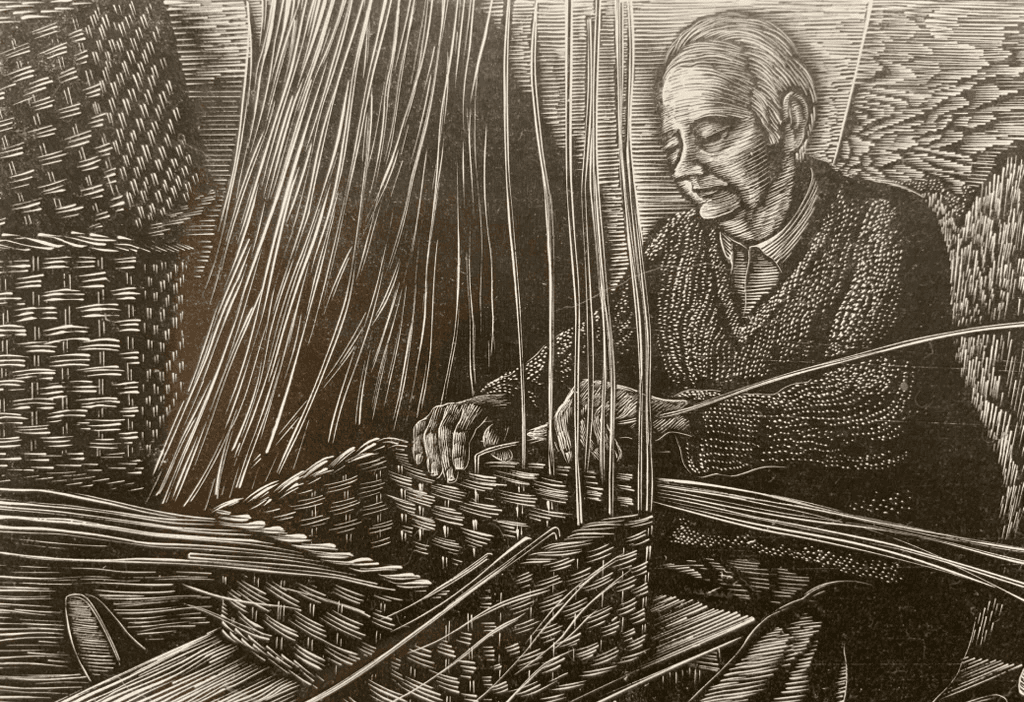
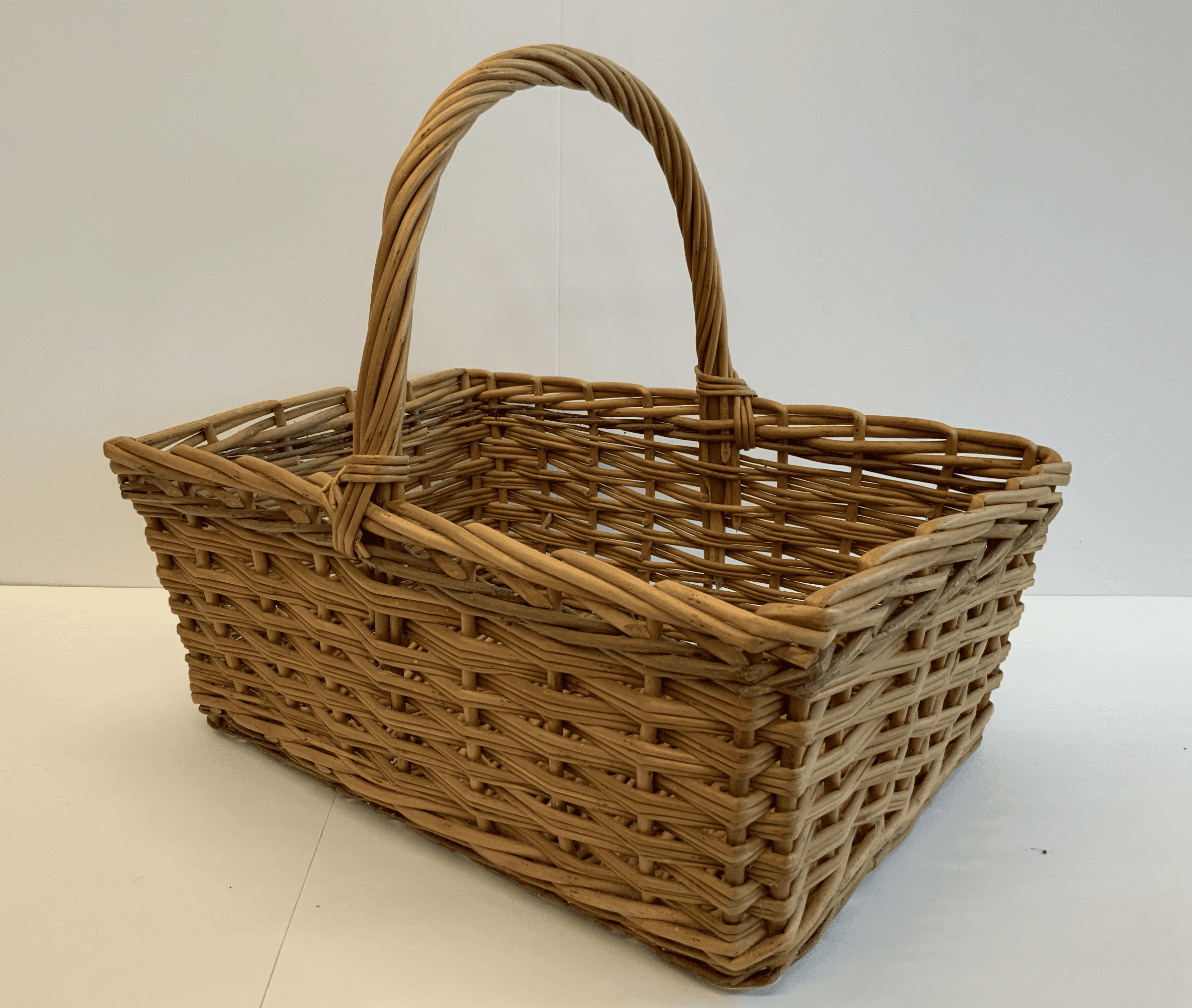
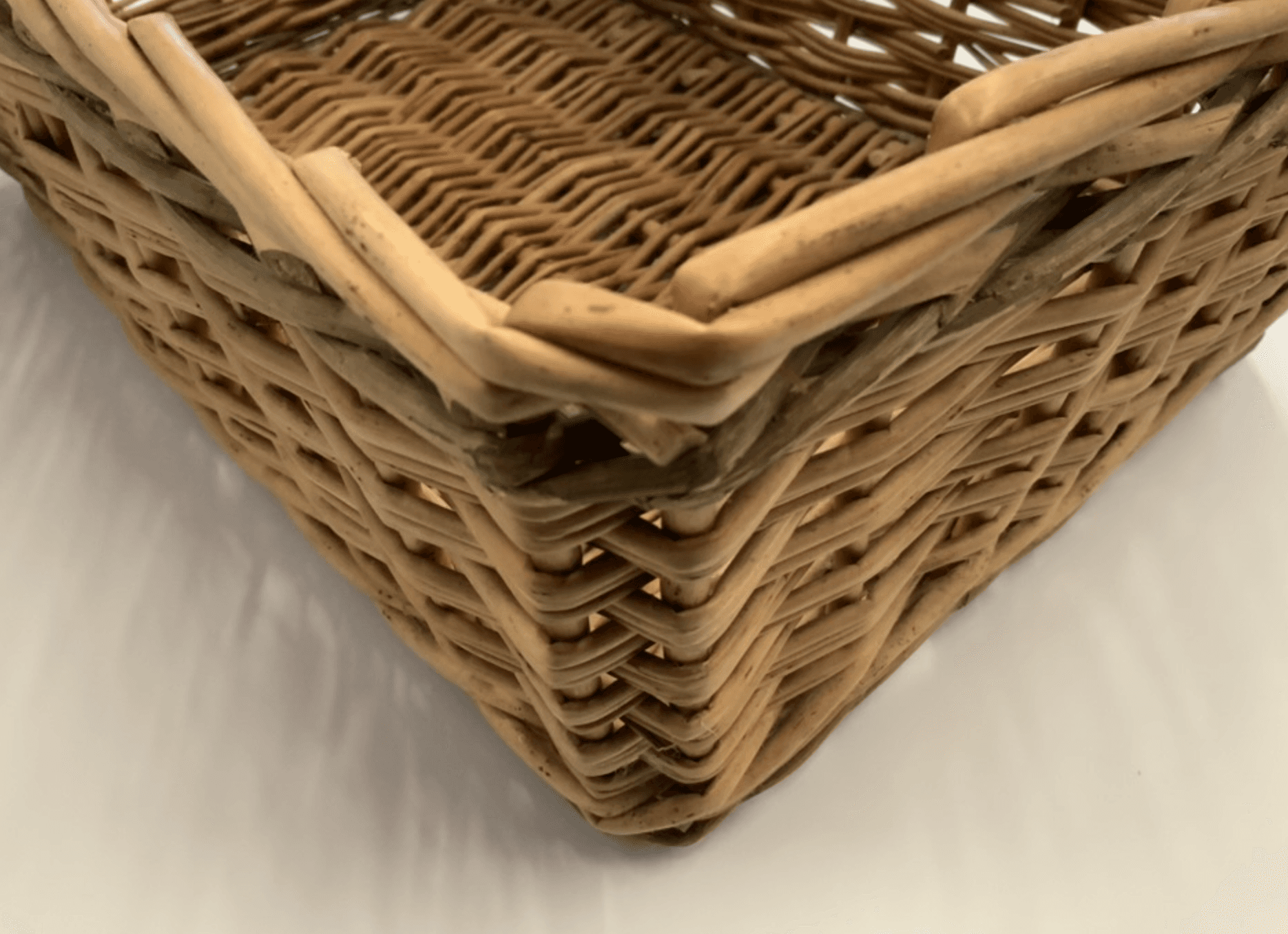
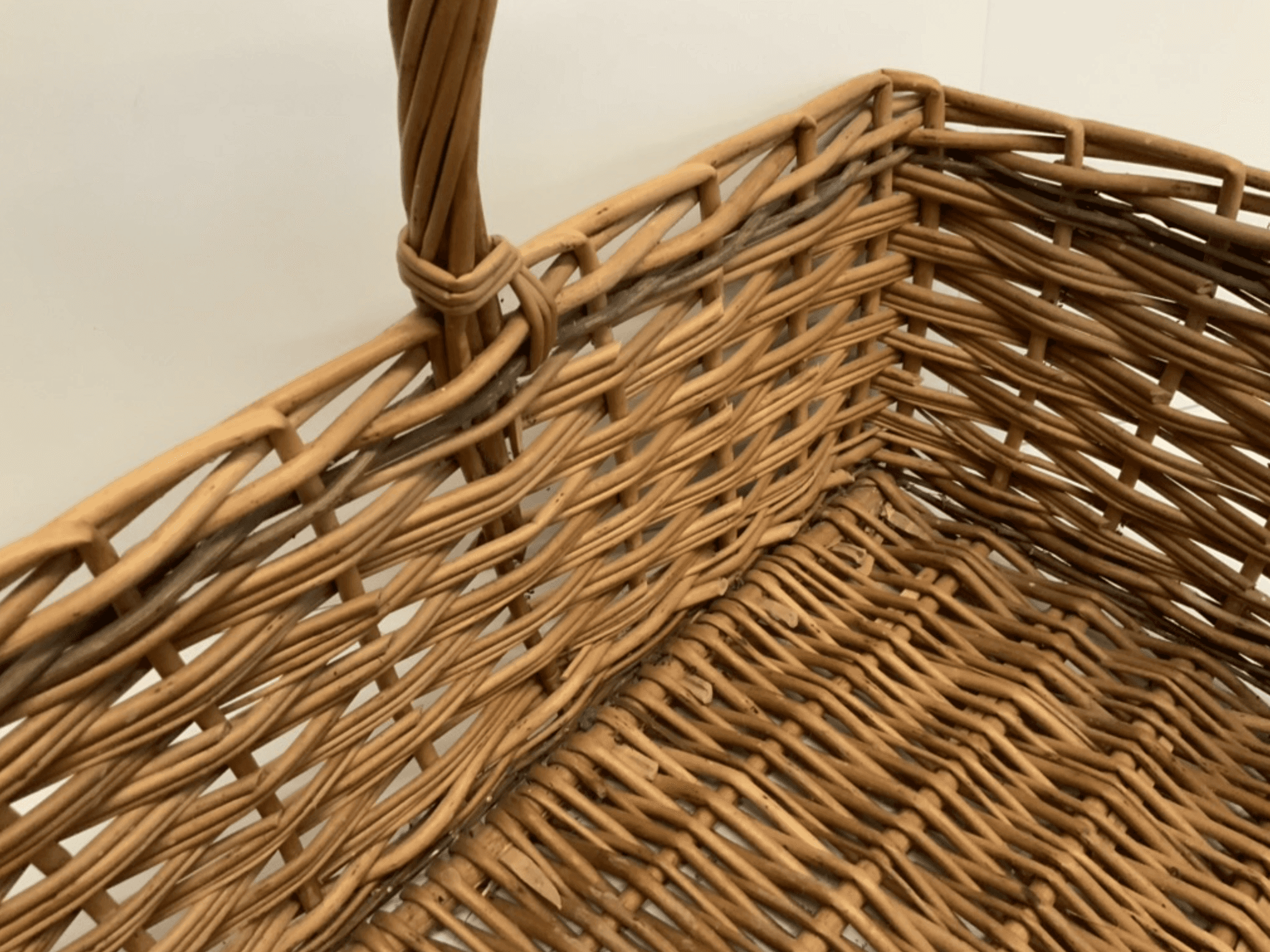
Jack Hembrow was a delightful man. He had been a Foreman in a basket factory. He wore a suit with a tie that was appropriate to the times he was raised, whether he was basketmaking or out in the fields, cutting willow. Being a willow basketmaker was considered a valuable profession. He drove a beautiful Morris Minor 1000. When I met him, he came in every day to weave “Square Shoppers”, making one in the morning and one in the afternoon. A lady from a local shop that sold willow baskets would come in every Tuesday to buy what he had made. Everyone in the shed was weaving on a plank with a lapboard. The door to the shed slid sideways with a wooden bolt that went into a hole in the door casing. There was a rough painted sign that urged “Put the wood in the hole”!
So, I joined the three Jack’s in their shed in the summer of 1982 and the first willow baskets that I made were Square Shoppers. My first love is still squarework. Jack was an excellent teacher. We corresponded for a while after that summer.
Jack Hembrow has a special place in my heart as my first instructor. I fell in love with willow and all of its techniques and nuances. Jack worked in buff willow and the smell of properly prepared buff has always felt “like coming home”. In knowing that I wanted to start a school of traditional willow basketry as my legacy of the 43 years as a willow basketmaker, it feels very appropriate and an honour to name the school “The Hembrow School of Traditional Willow Basketry”.
Liverpool's Story
Liverpool, New York is located on the banks of Lake Onondaga, just west of Syracuse, New York. In 1830, Liverpool was an important center for salt manufacturing. The Erie canal opened in 1825 and ran from Buffalo to Albany, connecting the Great Lakes to the Atlantic Ocean. The Oswego Canal was built in the late 1820’s as a supply route for wood fuel needed by the salt industry. Many German immigrants were attracted to work in the salt industry and many were basketmakers by trade. It is said that the willow industry began in 1852 when John Fischer, a German-born salt worker noticed willow bushes growing profusely in Liverpool swamps and that they closely resembled the German domestic willow used for basketry. That observation gave rise to a willow growing industry throughout the Mohawk Valley region of Central New York state. Important communities along the Erie Canal cultivated willow, such as in Lyons and Port Byron.
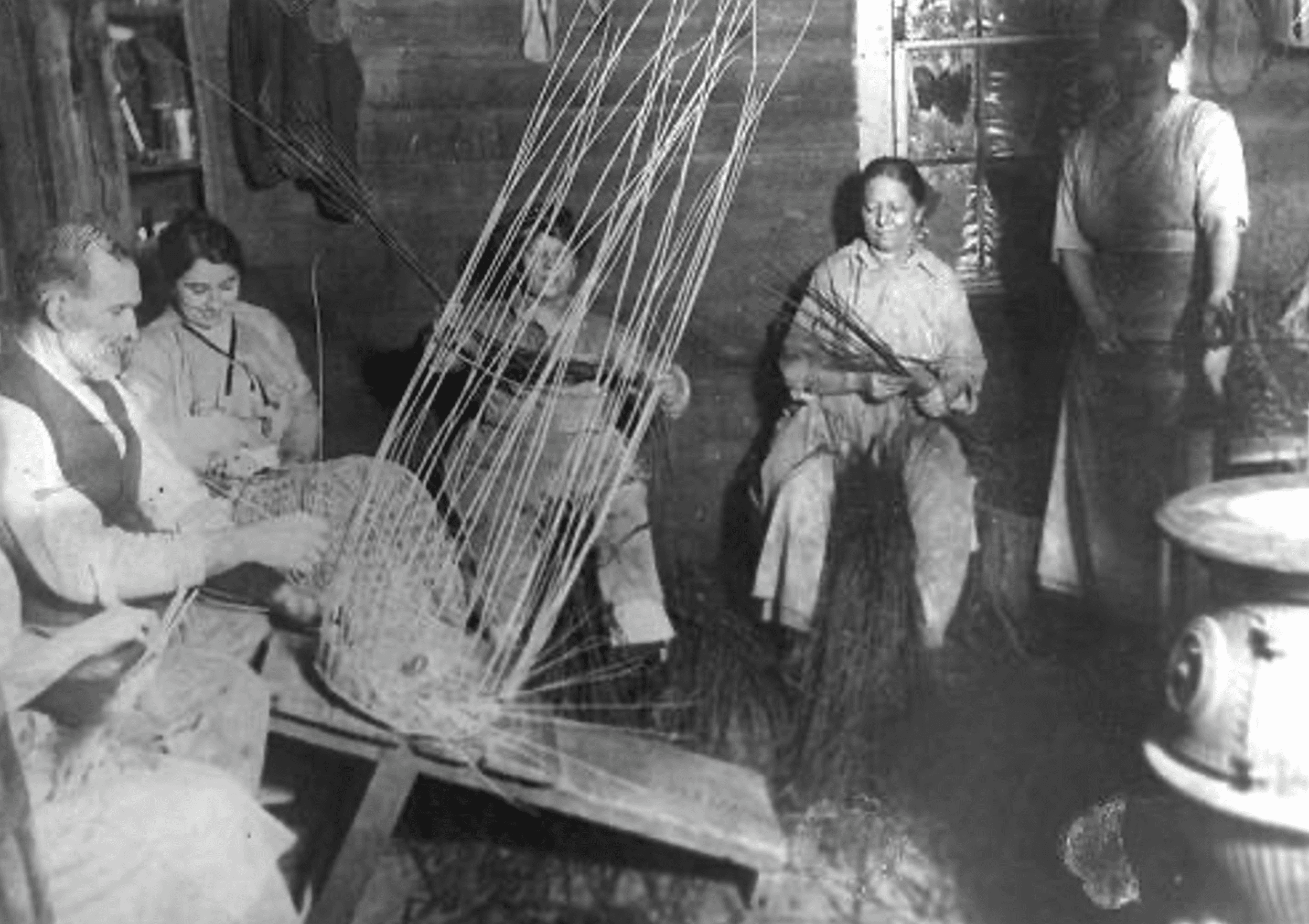
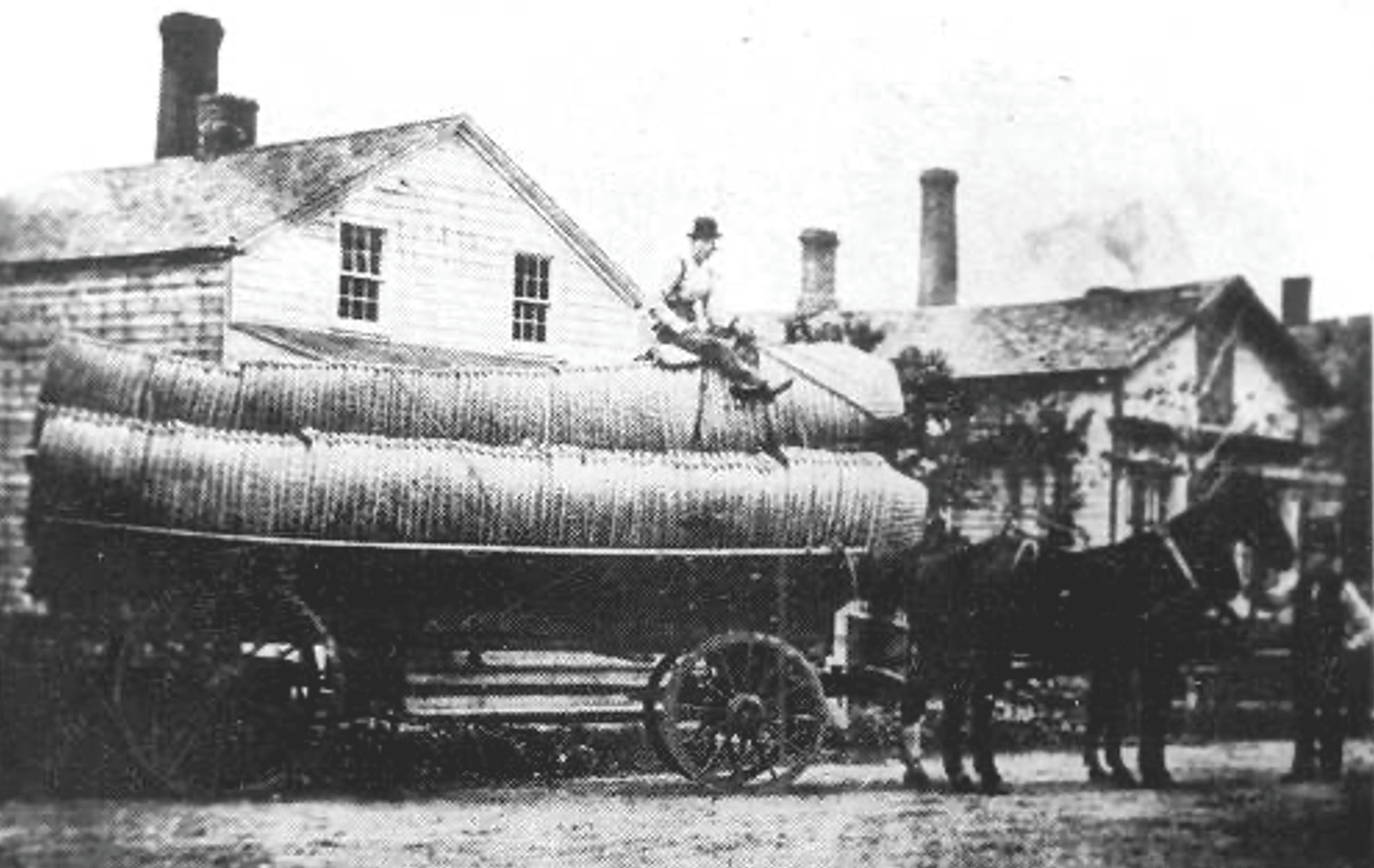
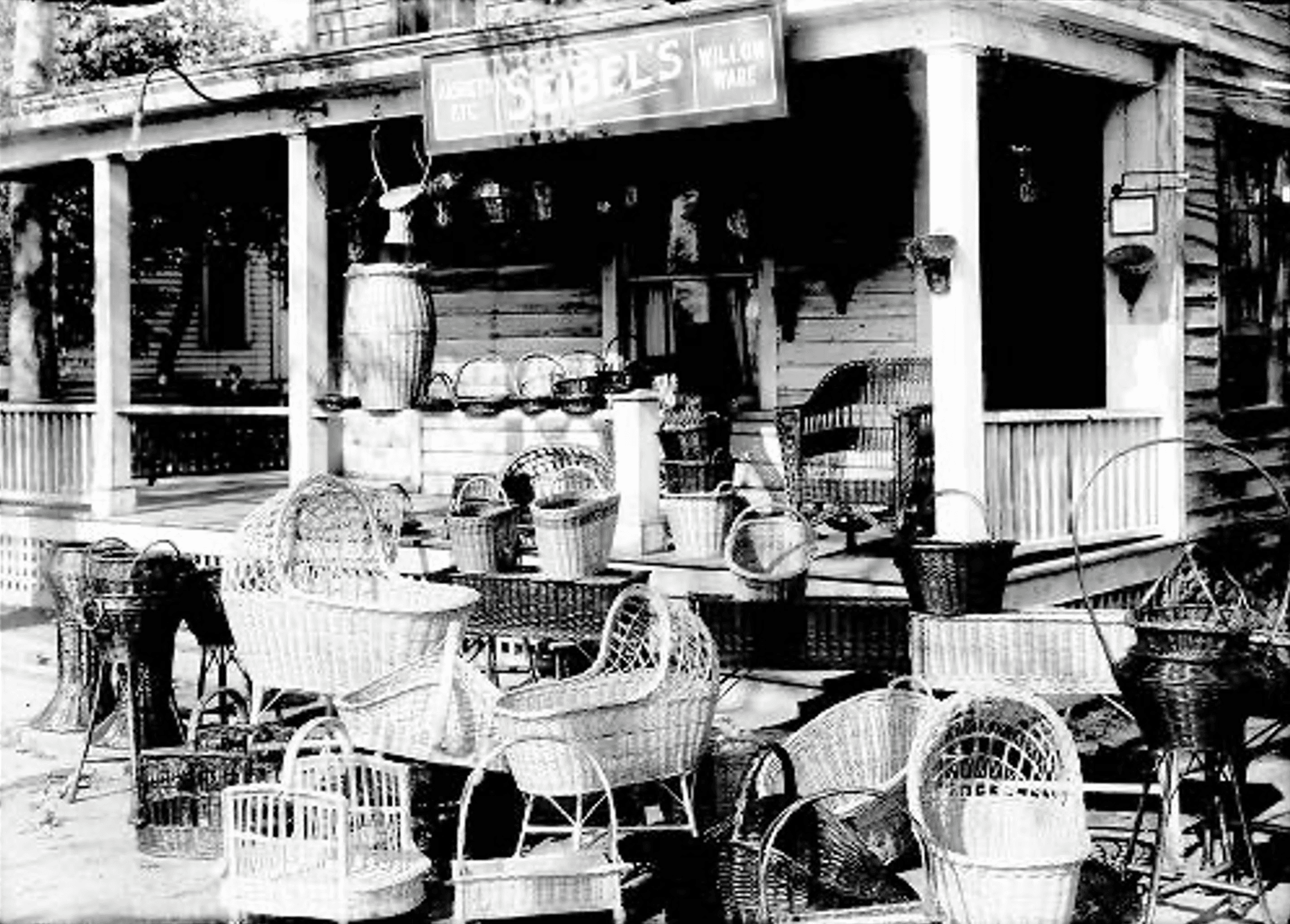
By the 1890’s, Liverpool willow basketmakers were producing an estimated 360,000 laundry baskets each year, making the small village an important national center of willow basket production (see image of the laundry baskets on the wagon). The Liverpool basketmakers made every sort of functional baskets for the home and floral industry, including bassinets and market baskets in peeled buff willow. Peeled willow was made through steaming the willow in specifically community-built “Steamer” buildings. At the same time, the “fancy“ makers were producing beautiful willow furniture (including chairs, tables, chaises, sofas, lamps) as well as baskets that were used on the pleasure boats on the St. Lawrence River. By the 1920’s, the willow industry was declining due to cheap foreign-made willow goods and poor cultural growing practices. Despite the pull of industrial factory work, a few weavers remained active into the 1960’s.
The Liverpool willow industry was a cottage industry and family-based. The basket shops were two-story buildings behind the houses. The top story was for storing the willow. Children were involved in stripping the willow. Women made bases and the men made the baskets. The baskets were displayed and sold on the front porches. The names of the prominent families included Hurst, Weigand, Duerr, Hetnar, Klippert, Pease, Hess, Schaefer, Laug, Naumann, Siebel, Gerhardt and Lehne. Mention should also be made of the willow basketmaker, Frank Selinski who lived in Eaton, New York and demonstrated each year at the New York State Fair. I met him in 1987. He gathered willow from a patch in Cazenovia, later to be known as the Willow Patch and boiled the willow in a small horse trough positioned on top of two gas stoves. He was a character!
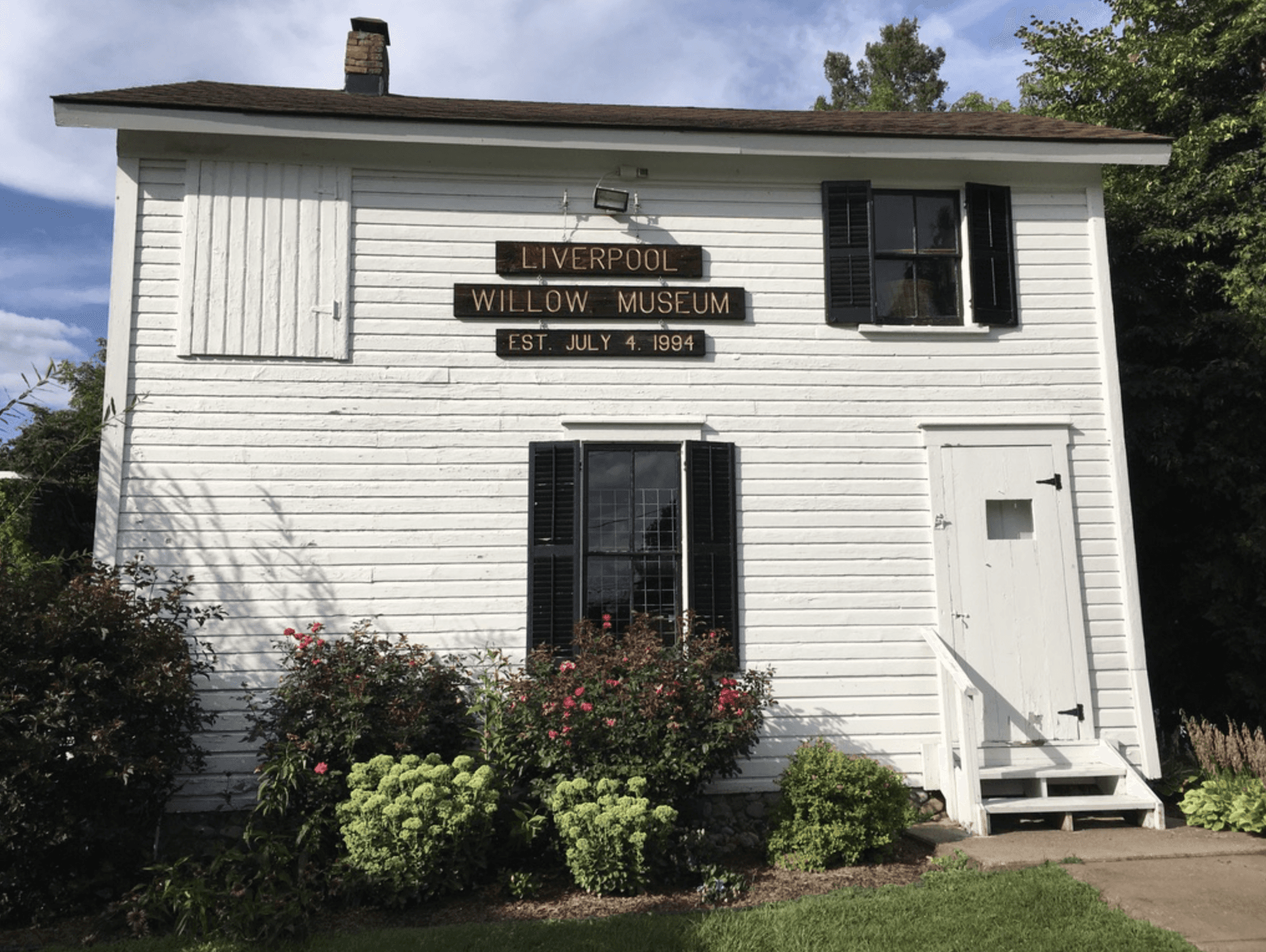
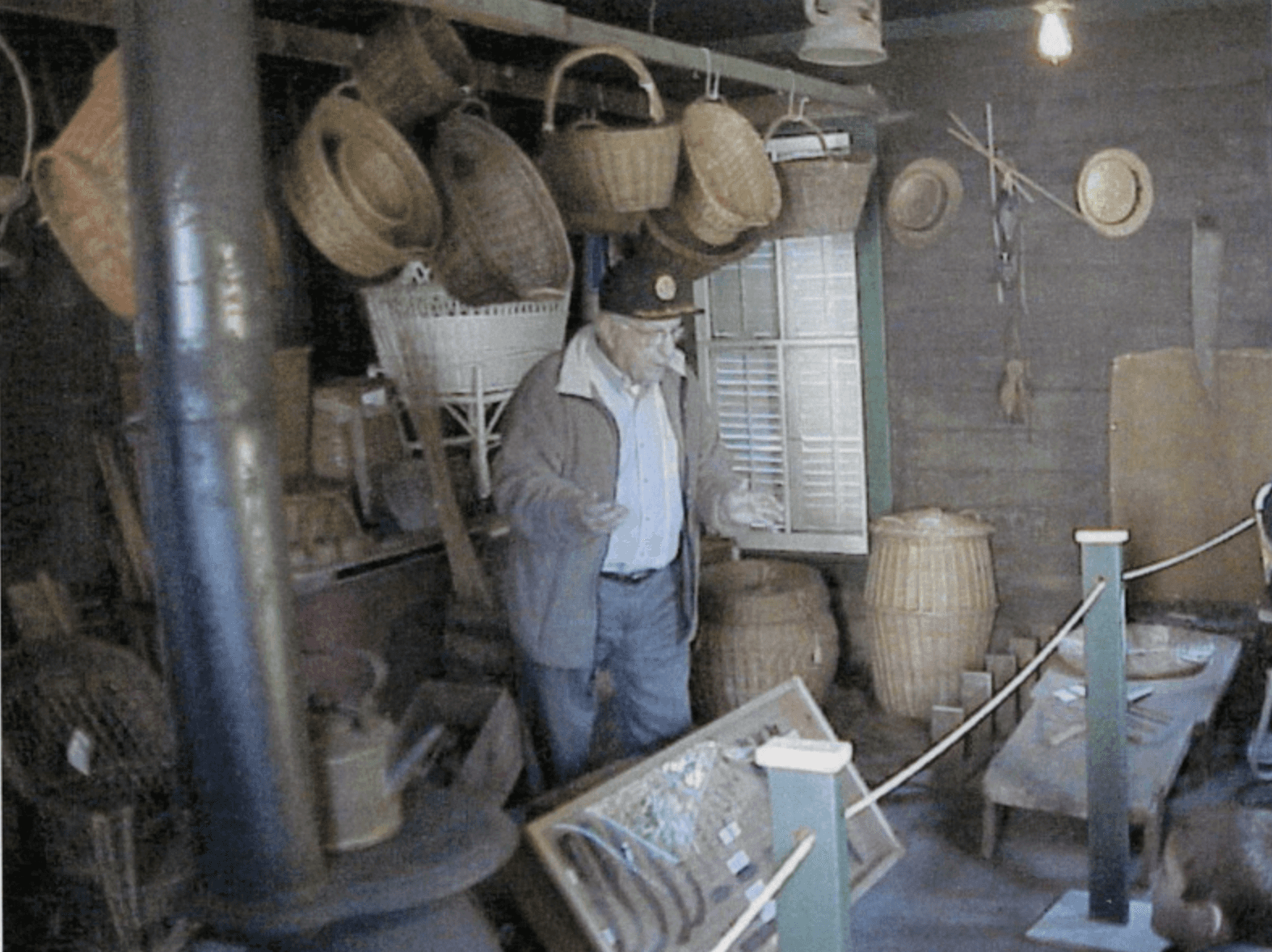
Mr. Ken Hurst (1919-2022) donated his family’s willow shop (built in the 1880’s) to the Village and helped move it from Oswego Street to the present location on the grounds of the Gleason Mansion. It was then dedicated as the Liverpool Willow Museum on July 4, 1994. My sons and I were present at the unveiling ceremony. The Willow Museum has its own adjacent Steamer Building. As a child, Ken worked in the little shop in his family’s backyard, weaving everyday objects, laundry baskets, and market baskets alongside his parents, siblings and extended family. Many residents and former residents of the Village have donated Liverpool willow baskets and related artifacts to the Museum which has become a repository of a significant and unique collection, managed by the Village Historian.
Bonnie's Story
I was born in England. I went through the rigorous British educational system and geography was my favorite subject. I have three degrees in the spatial arts: two degrees in Planning (University of Manchester (1973), UK and MIT (1975) as well as one in Landscape Architecture from SUNY-ESF (2011). I worked in Planning for a little while in the Pacific Northwest after my time with Jack Hembrow and did some teaching for the Vi Phillips Guild. I then married Jeffrey Gale in 1986, a brilliant white ash splint basketmaker (THE BEST!). I moved from Seattle to Central New York state, had 3 children and started the willow business “English Basketry Willows” in the early 80’s (see Jack’s story). English Basketry Willows (www.englishbasketrywillows.com and www.bonniegale.com) is a small business selling imported European basketry willows, willow basketry books and tools. The web sites cover my full resume, AWGN, patterns and kits, baskets for sale, summary of living willow structures, monthly and free classes and design projects as well as willows, books and tools for sale. I founded the American Willow Growers Network (AWGN) in 1988 to promote the growing and exploration of the uses of willow in North America. I produced a newsletter from 1989 to 2007.
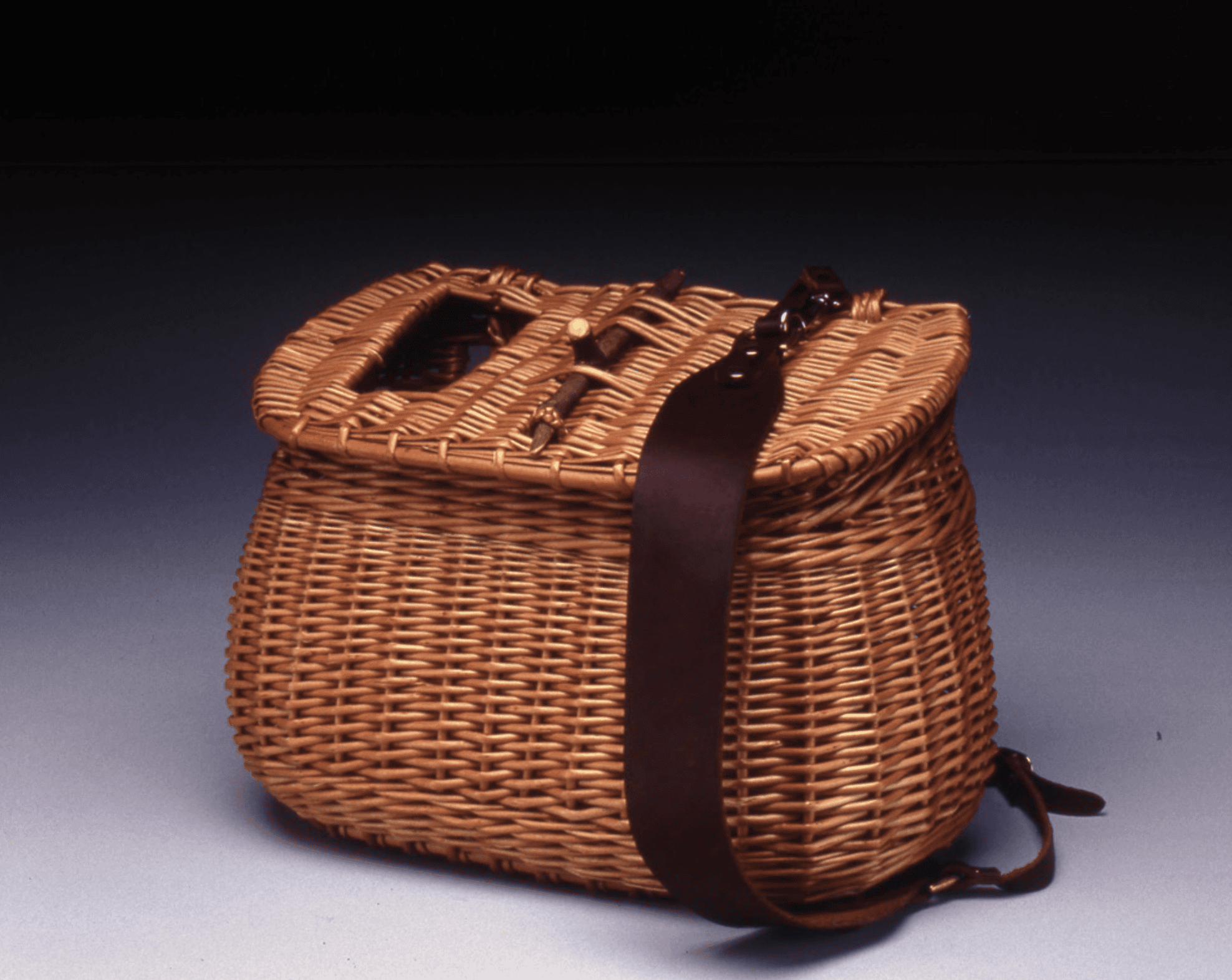
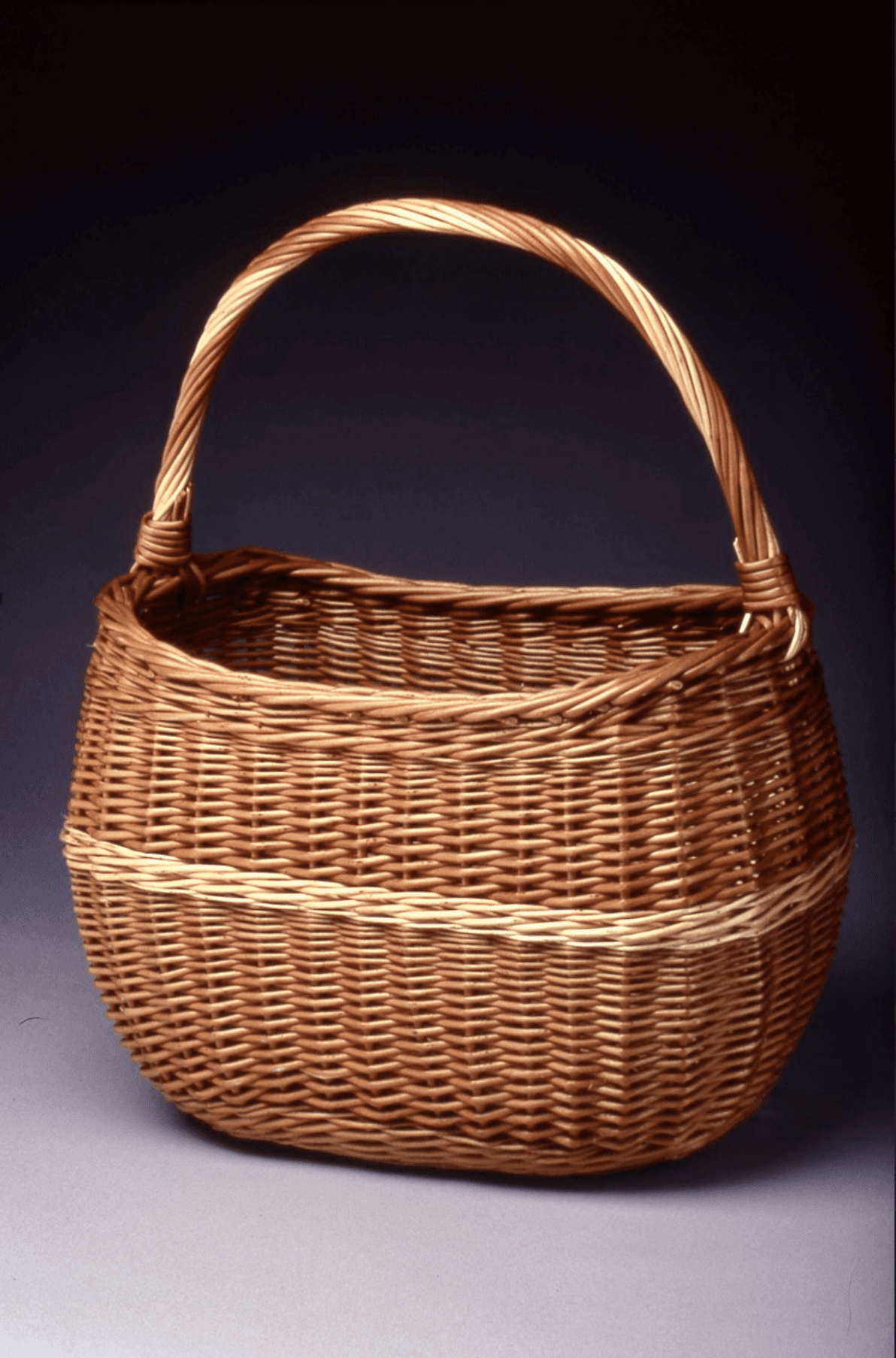
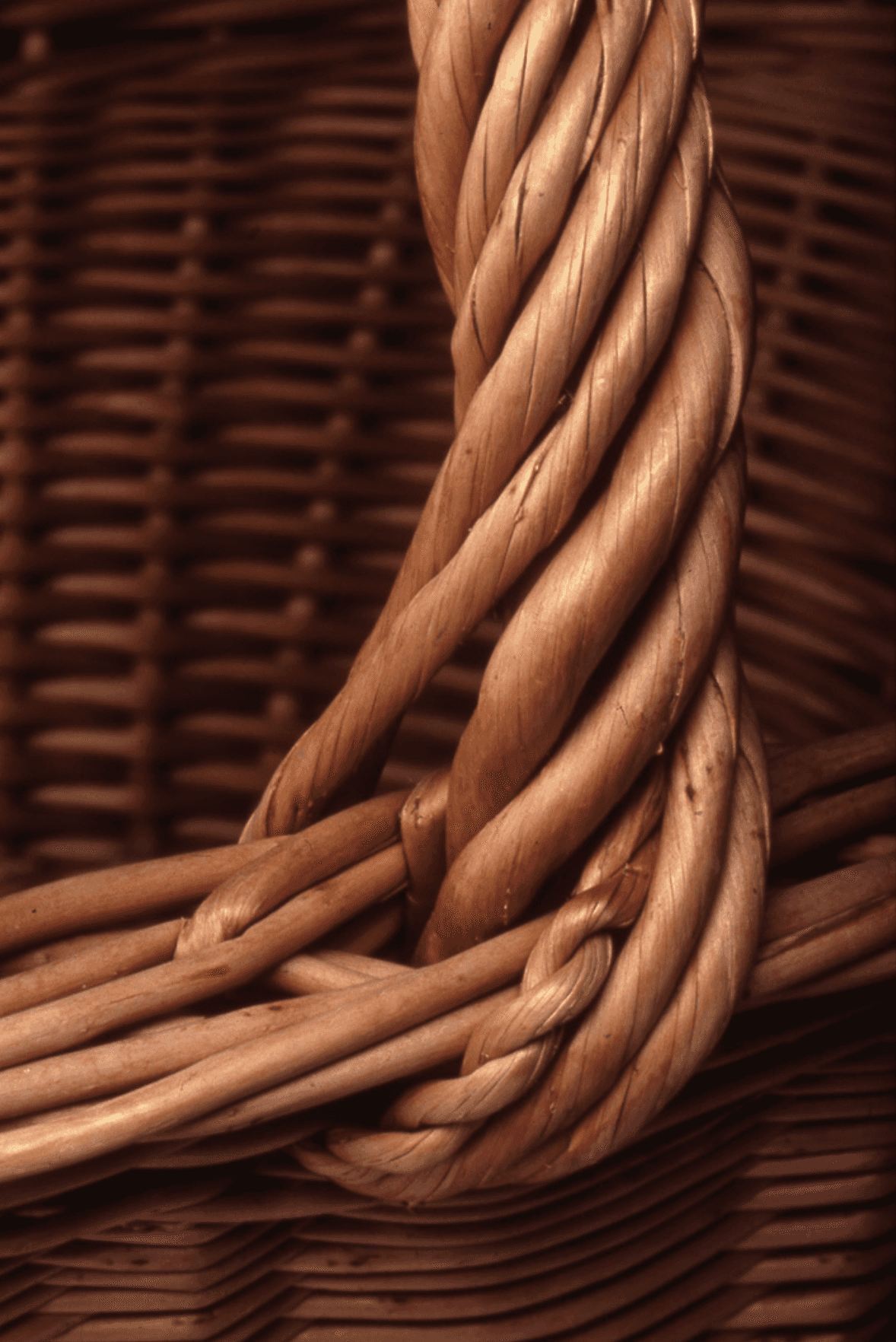
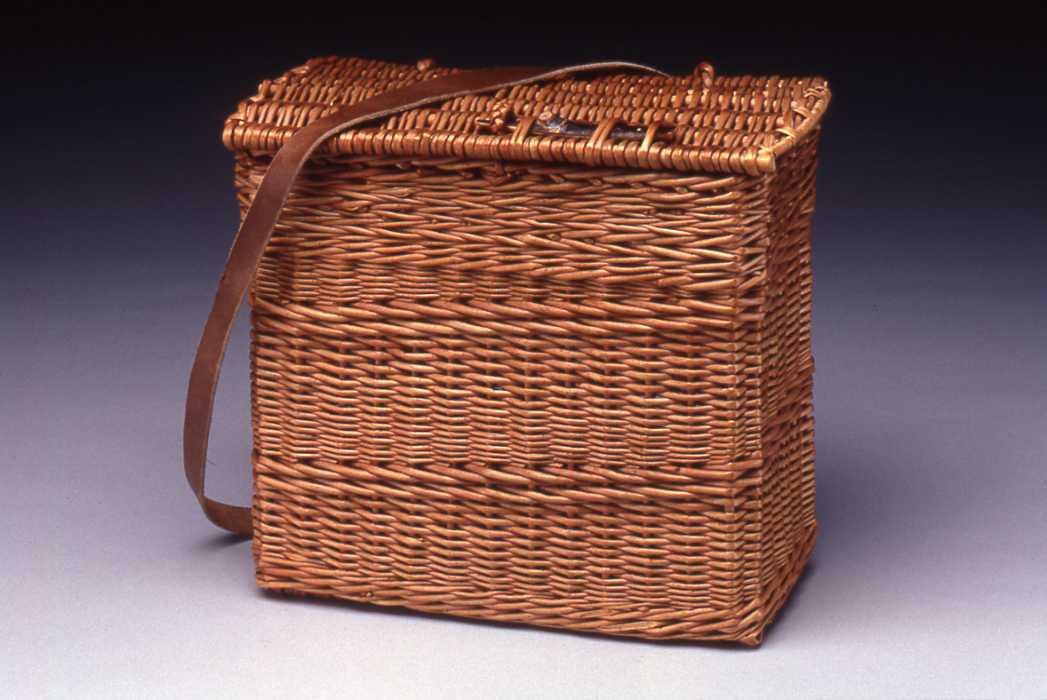
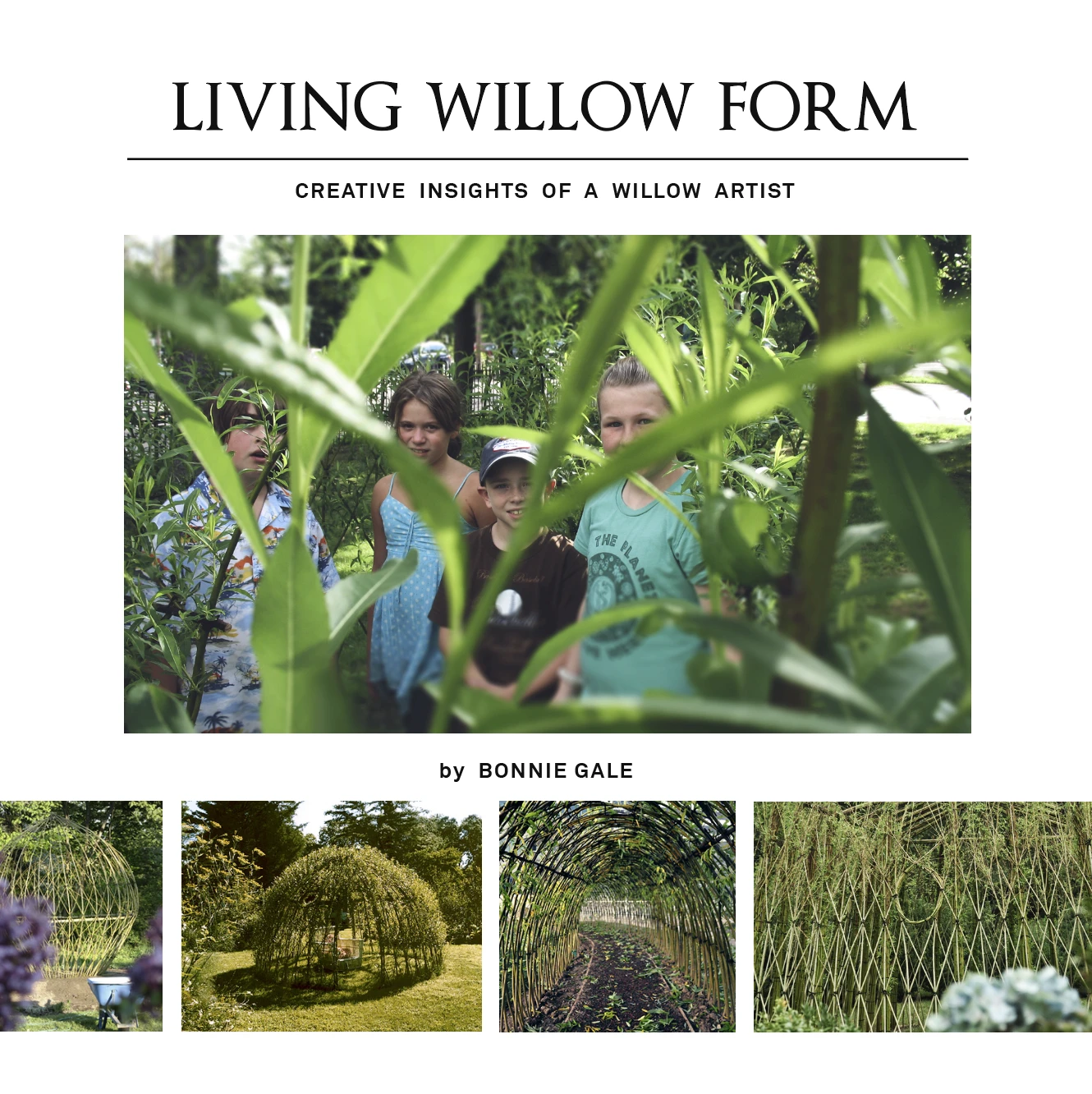
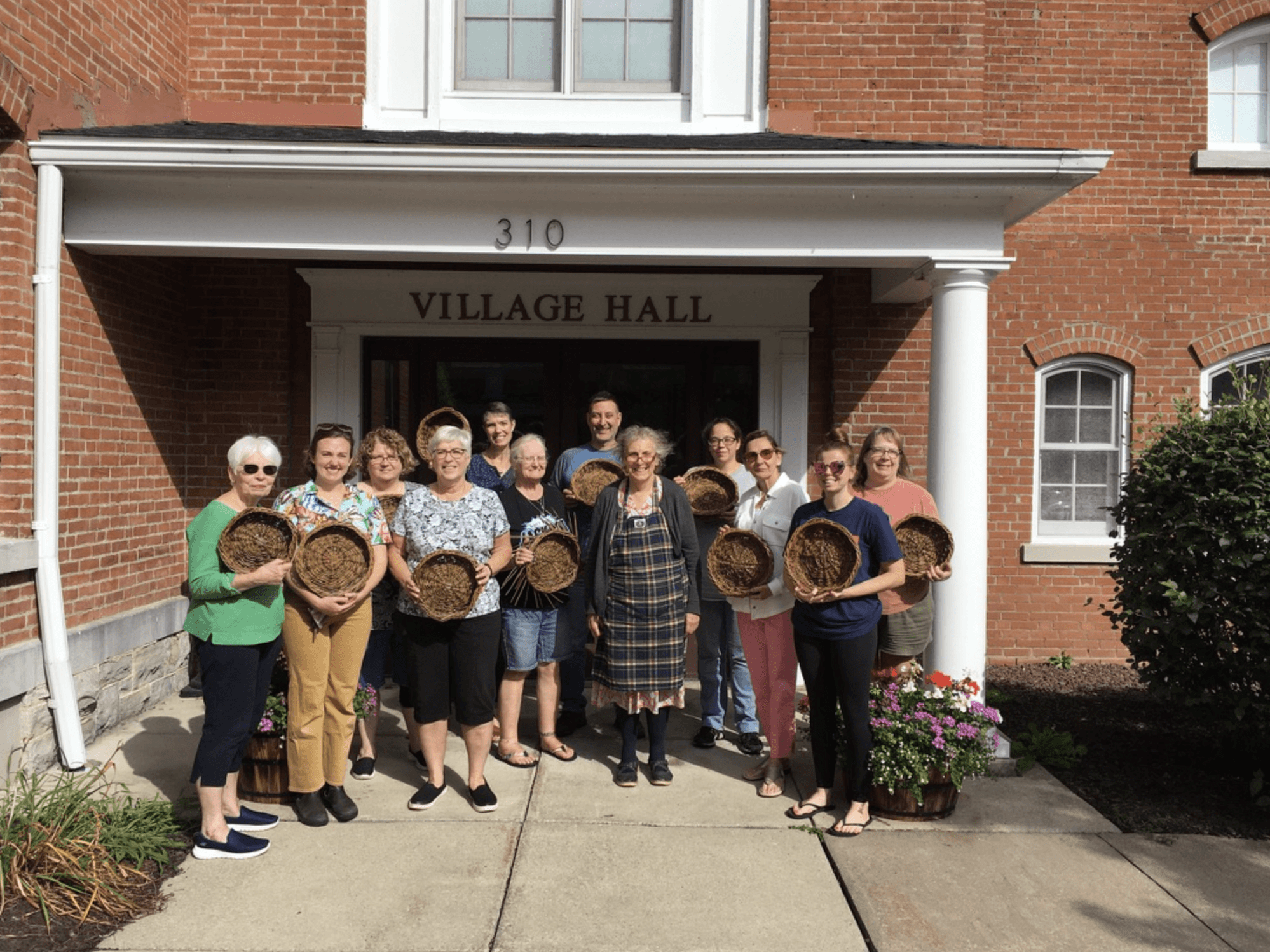
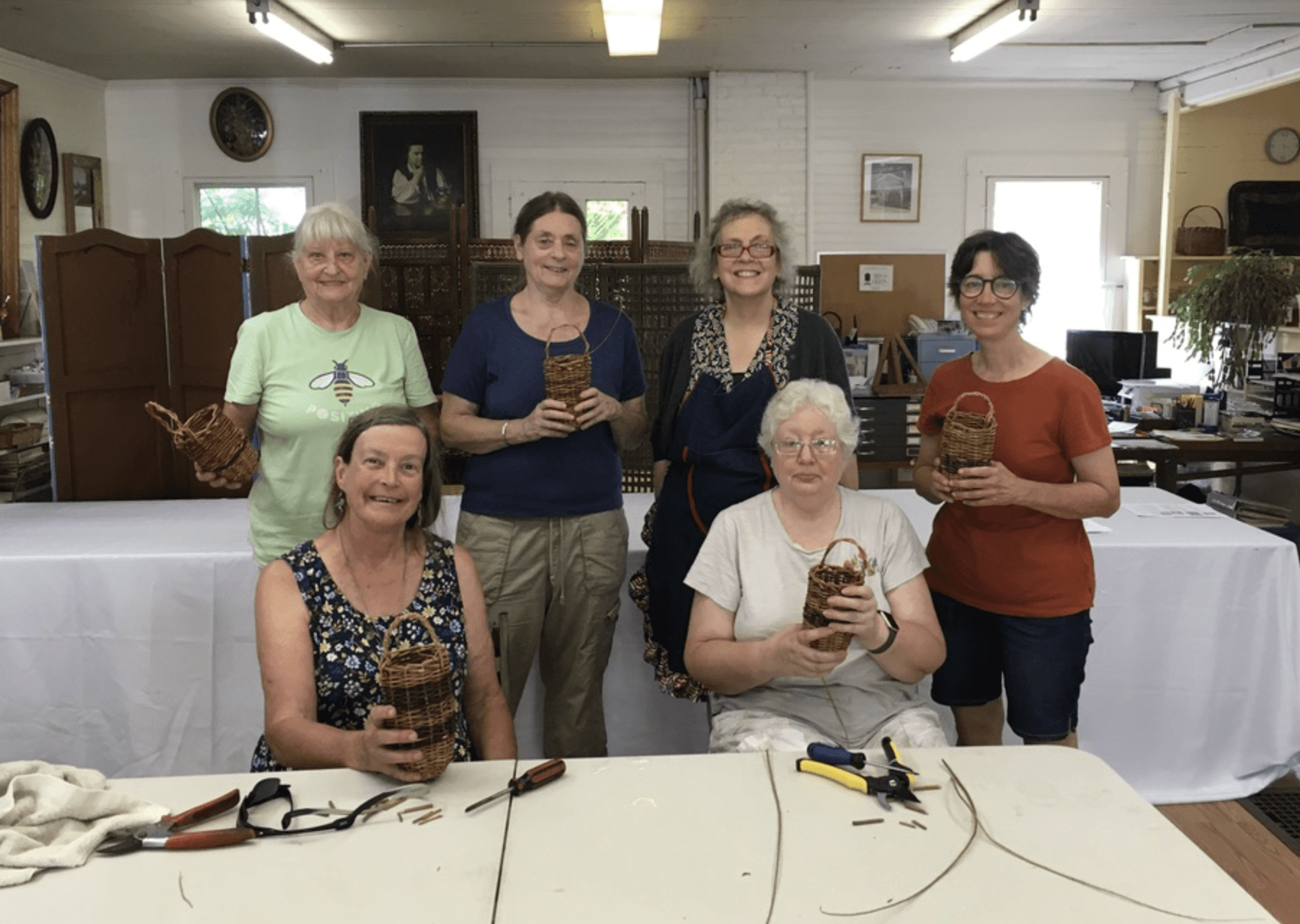
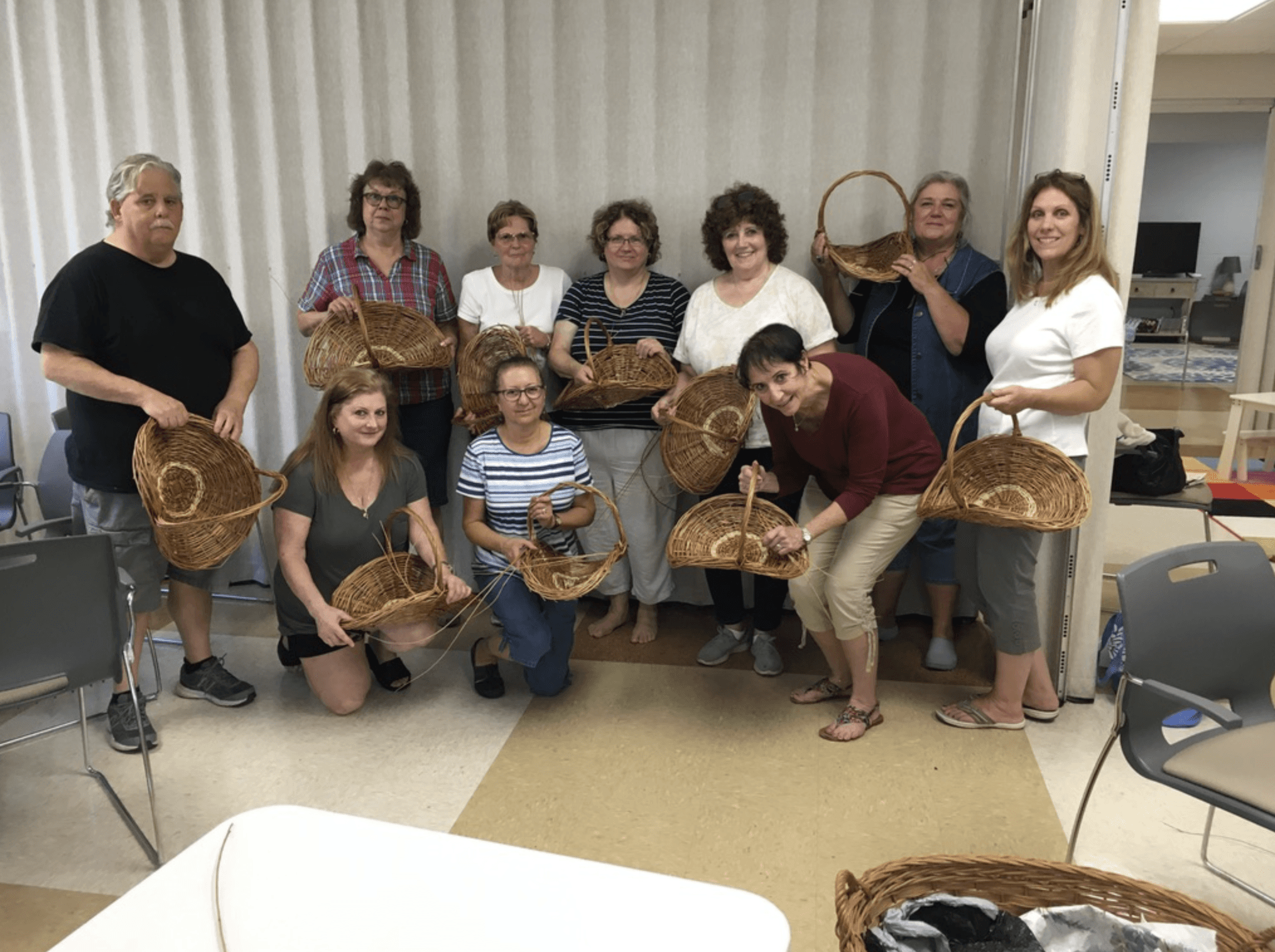
My teachers were Jack Hembrow, Daphne Heeroma, Werner Turtschi, David Drew, Alastair Heseltine, Joe Hogan, Mary Butcher, Michael Thiershmann, Colin Manthorpe and Stanley Kuras. I am thankful to each and every one of them in forming my journey with willow and sharing so generously their knowledge. So, for the past 43 years, I have taught traditional willow basketry across the United States at major conventions, guilds and other events. I am also a teaching artist and enjoy teaching all ages and students in public and private schools. My connection with the basketry history of Liverpool is very important to me and I teach a free willow basketry workshop there every August. I have had my work shown in major basketry exhibitions and I am the recipient of numerous awards, including a 1999 NYFA Artist Fellowship. I have been featured on public television shows, including PBS and the Martha Stewart Show. In 2004, I started designing and building living willow structures (www.livingwillow.info) and produced a book “Living Willow Form” (now in its third edition). In 2022, I started building willow caskets for the green burial movement (www.americanwillowcaskets.com). I love large-scale work (the bigger the better!) and hence, my great enjoyment of designing and building the living willow installations. In addition, I have taken on unique Design Projects from producing baskets for movie sets and unique commissions. If you would like to see the details of these years, please review my full resume here.
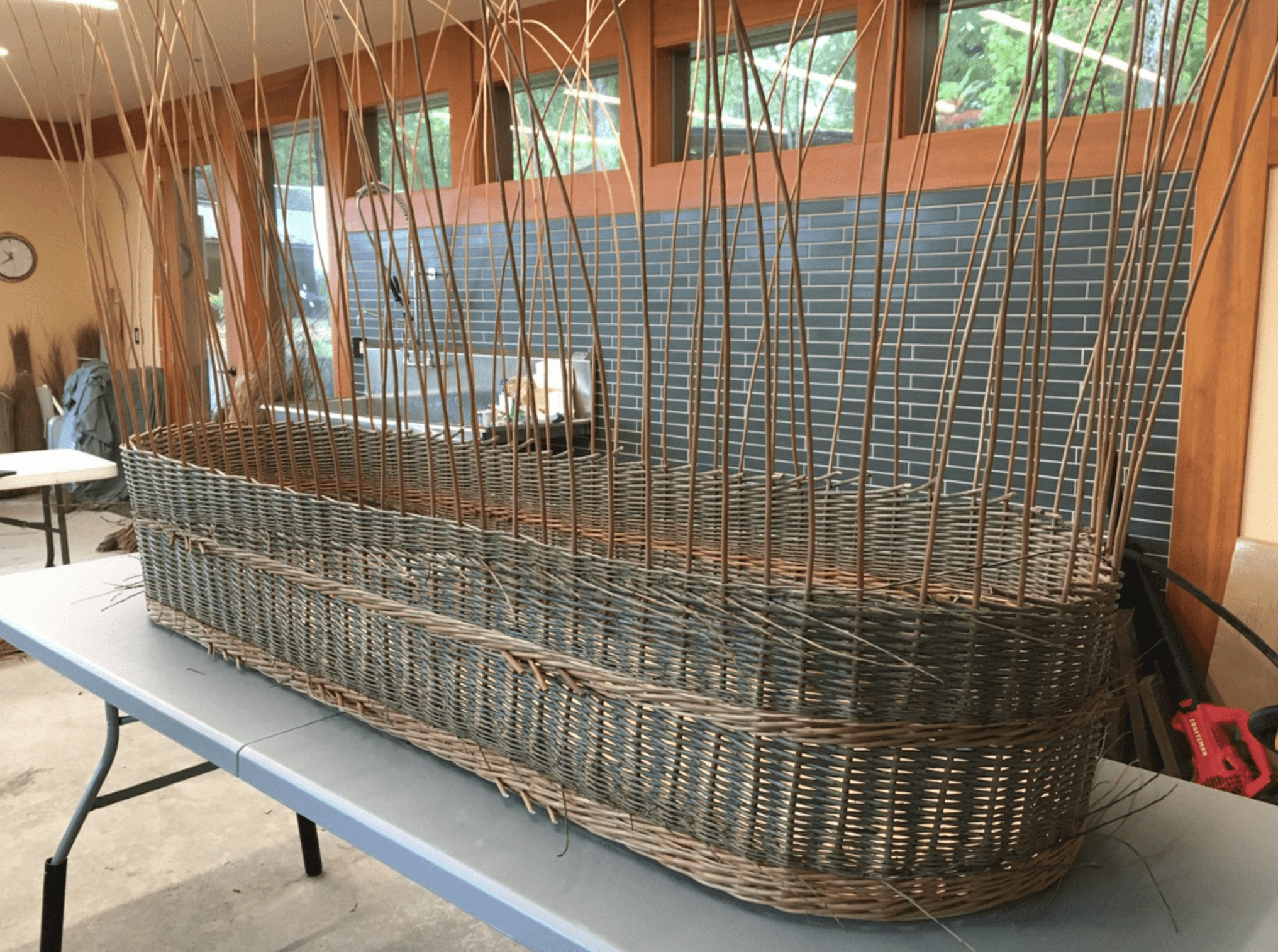
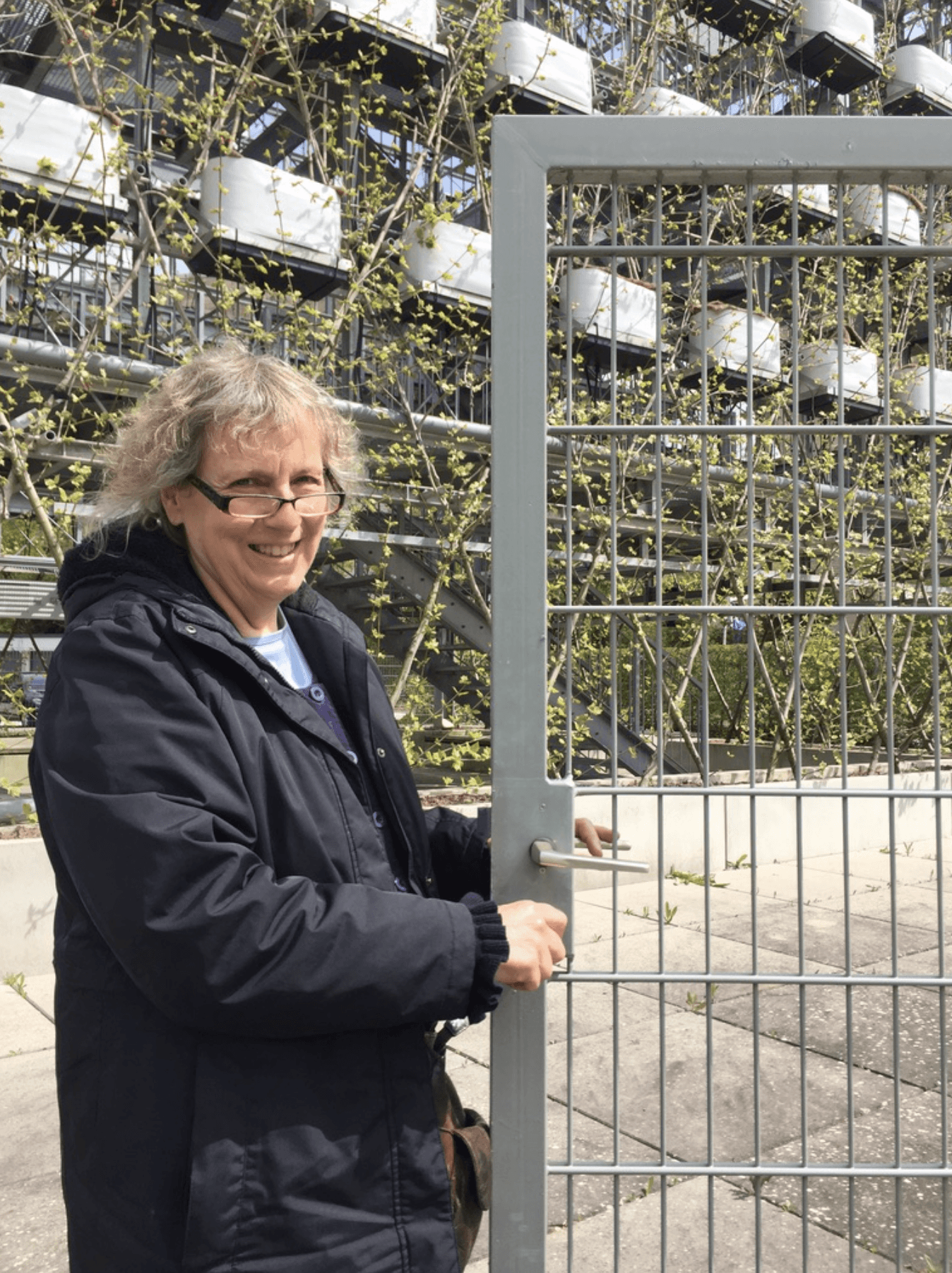
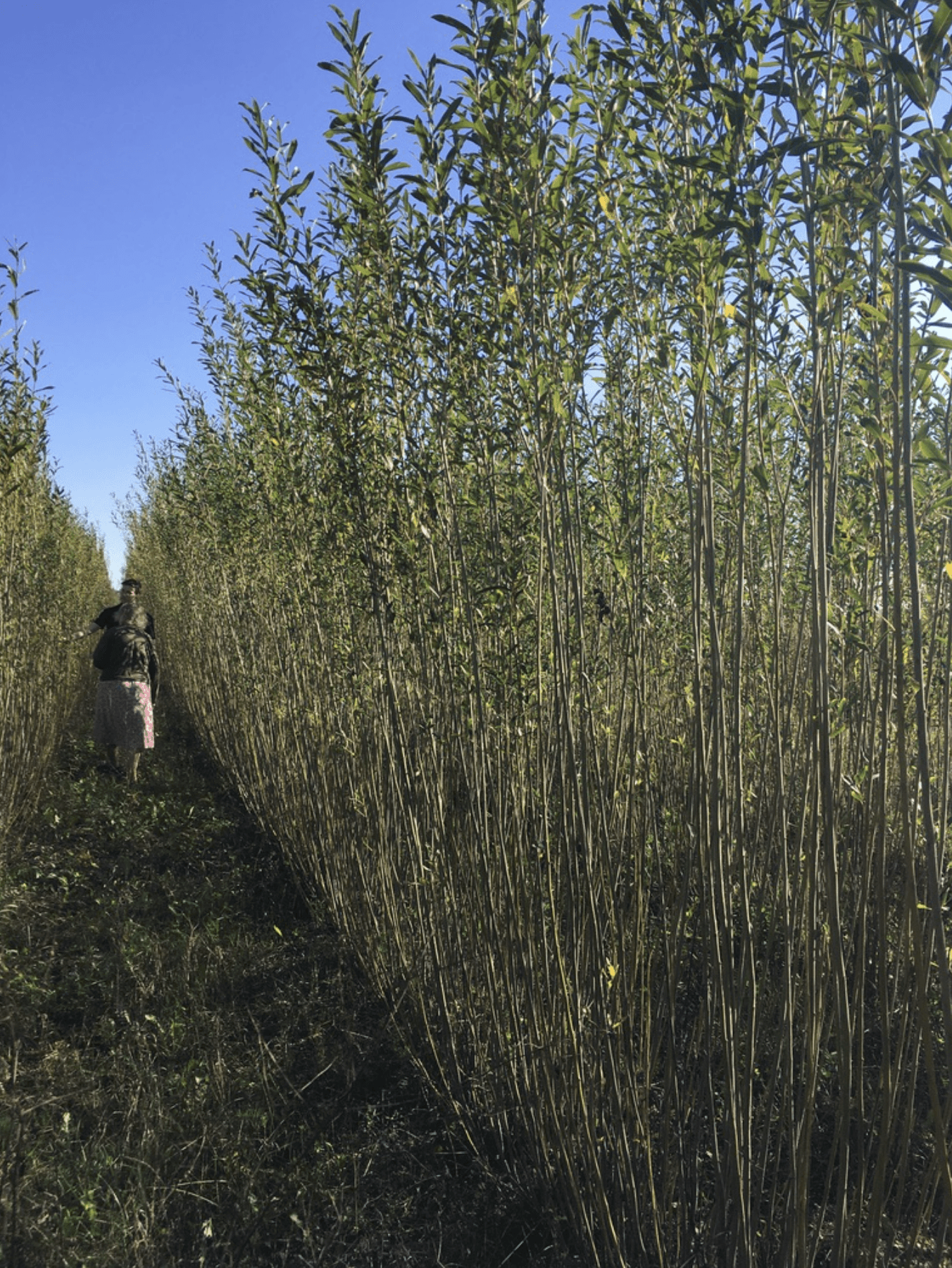
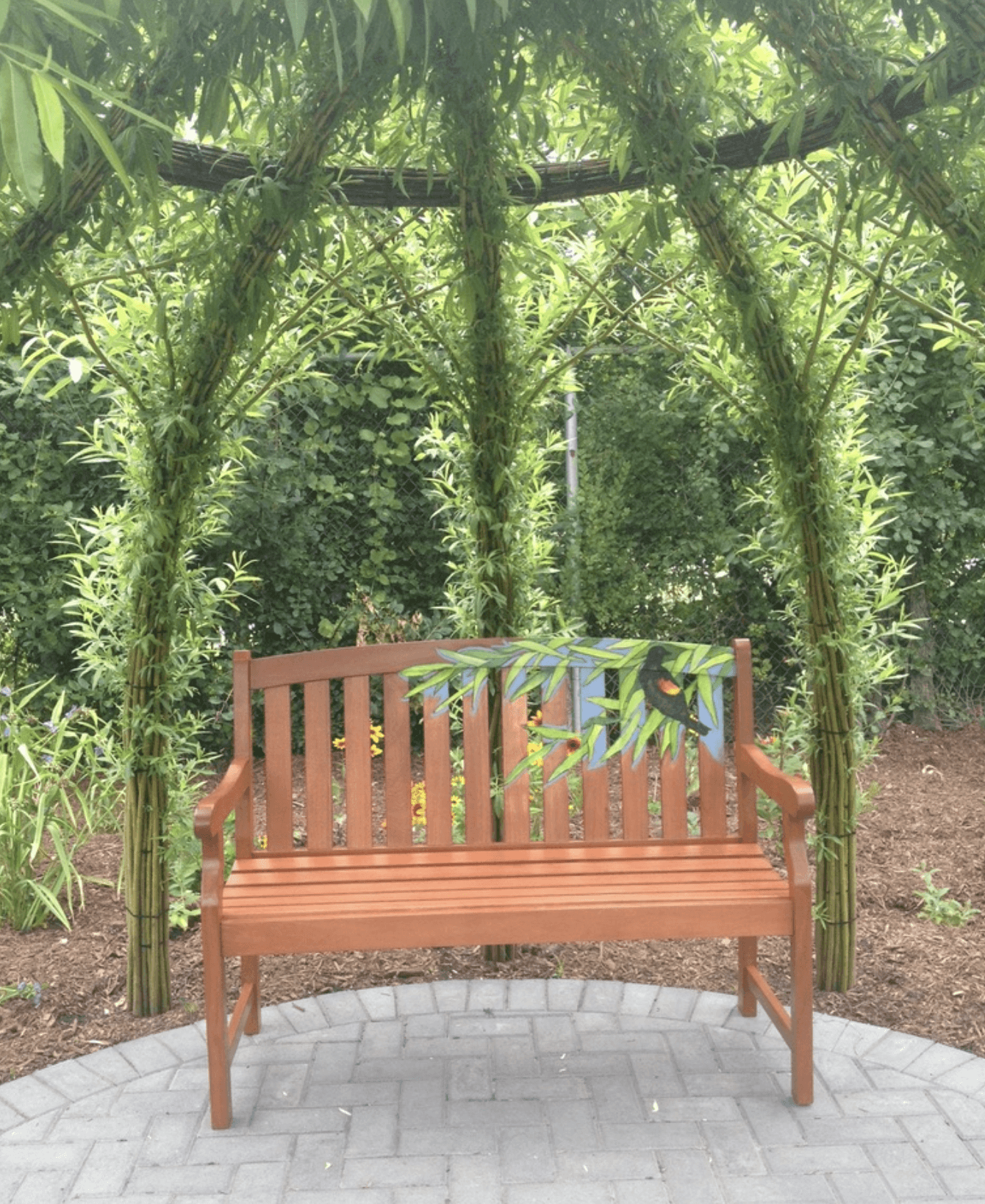
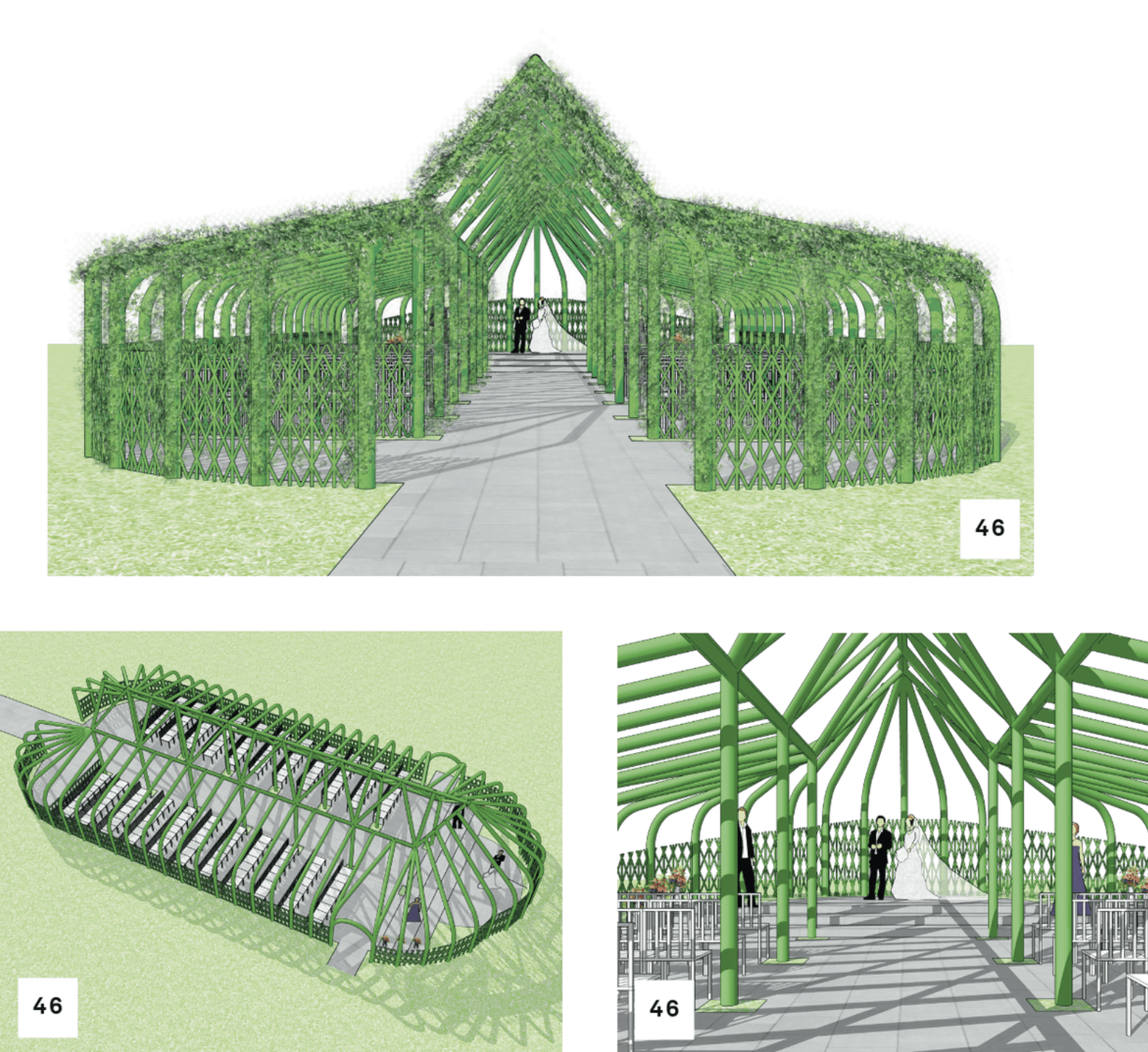
To summarize my approach, my artist statement states: “My work is focused on spatial containment and definition. My medium is willow. Functionality is the leading principle. I create beauty.” I feel that this statement says it all. I take a large scale and holistic approach to the use of willow and I am proud to call myself a willow artist as well as a willow basketmaker.
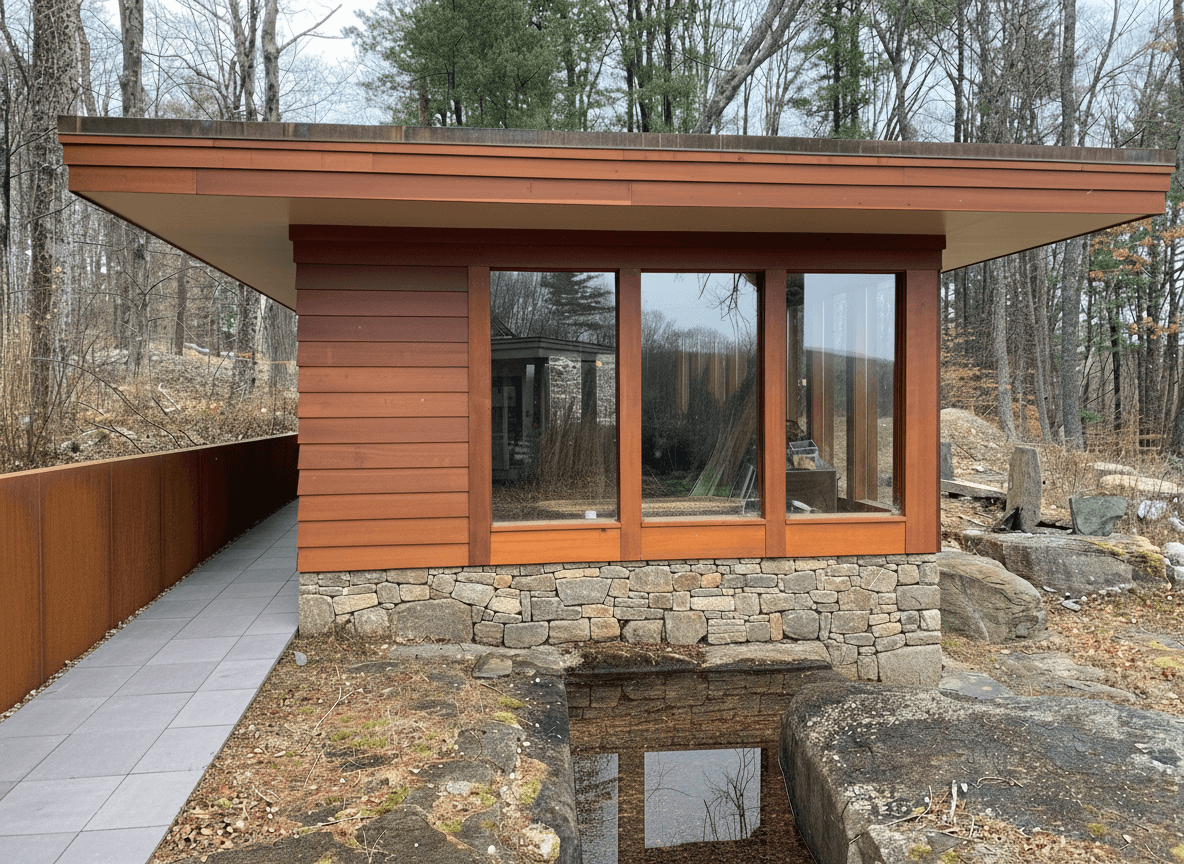
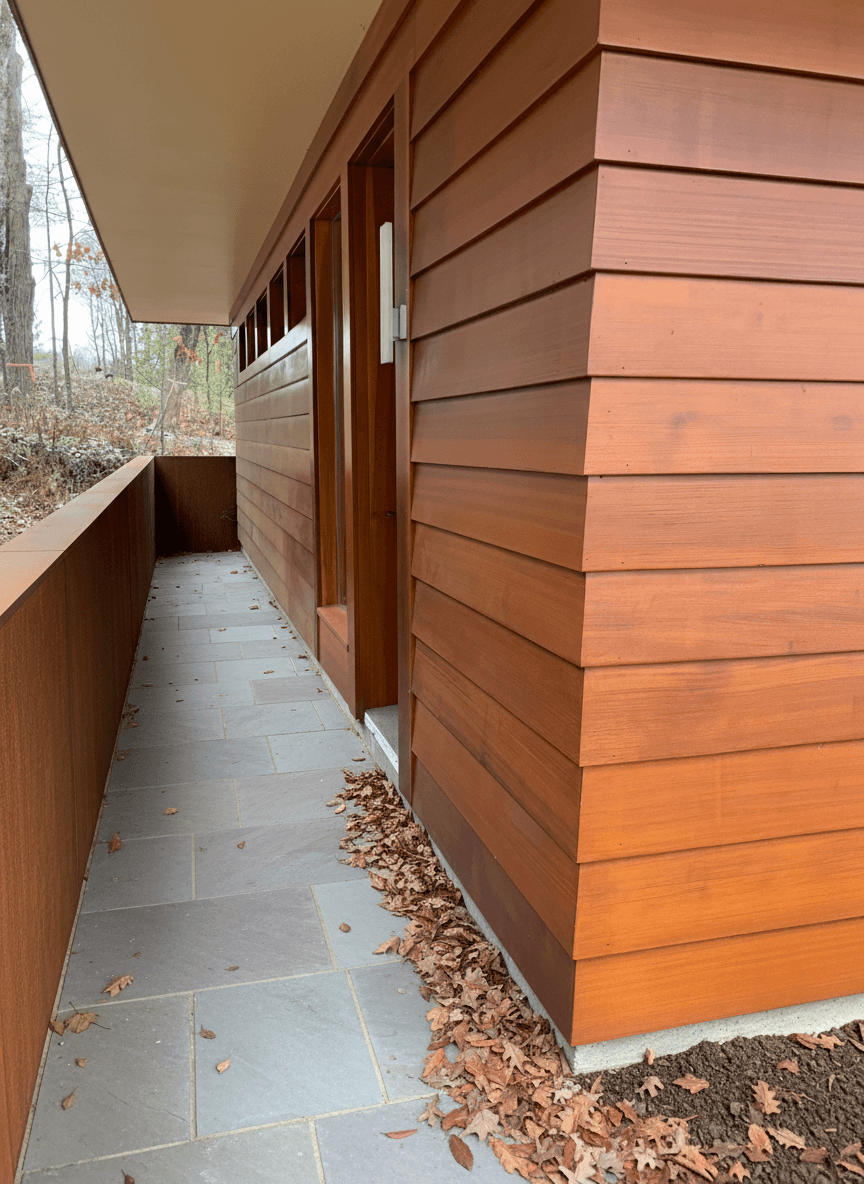
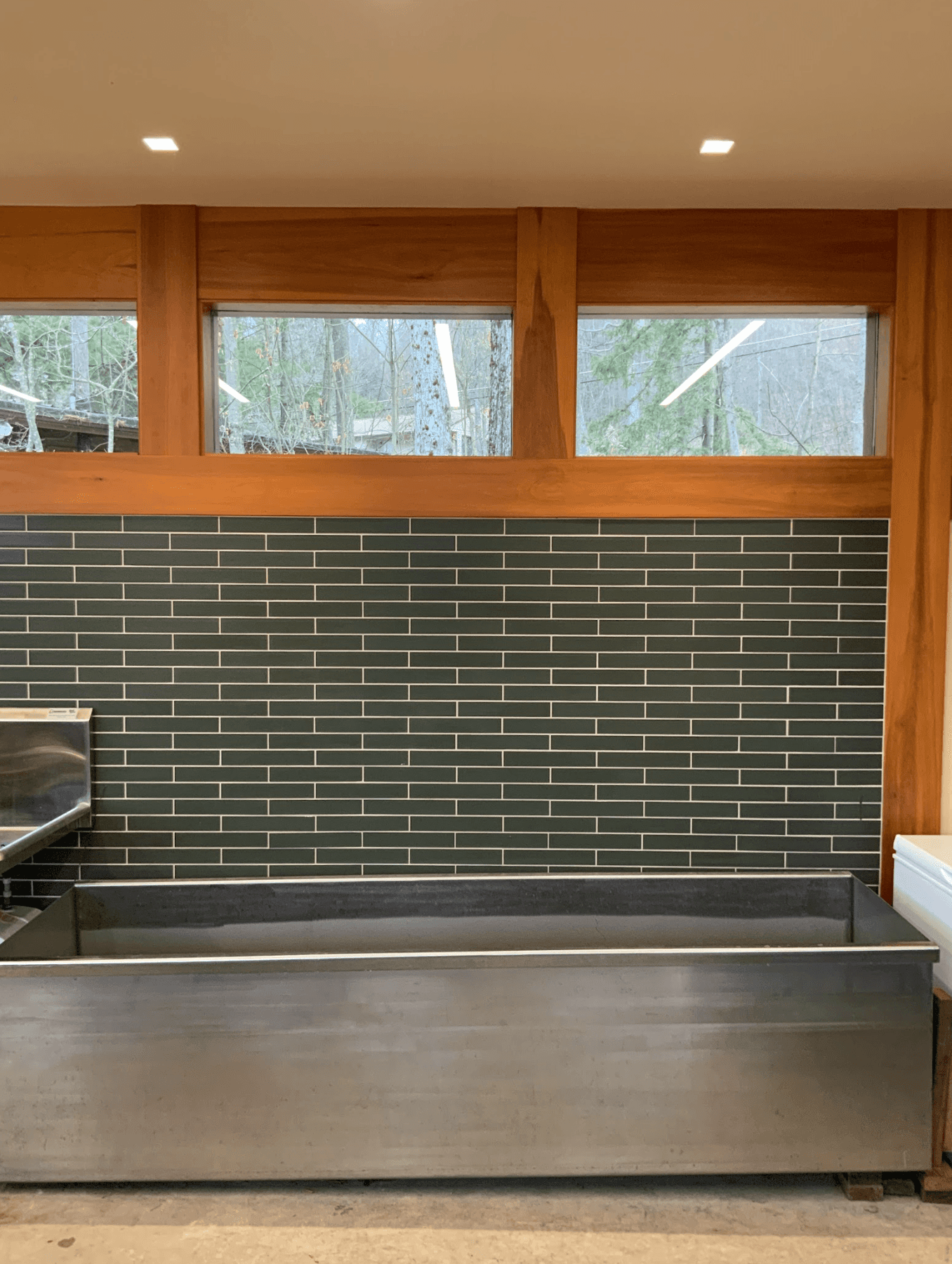
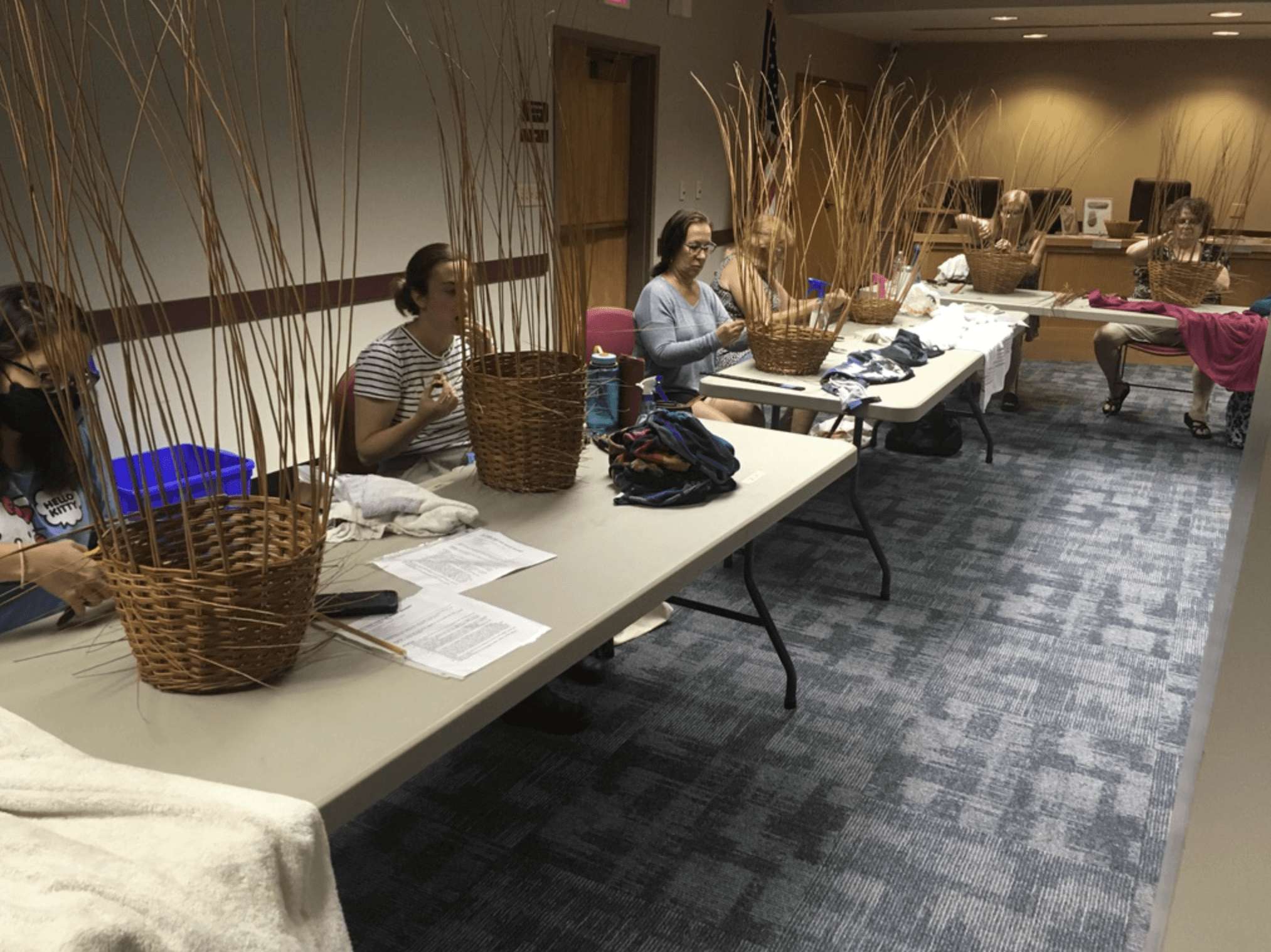
A word about the studio: the studio is a custom-designed building specifically for basketry and casket making. I designed the building based on the 1954 Frank Lloyd Usonian house where I reside adjacent to the studio. The studio incorporates many of the features of the house. There is a lot of glass, radiant heat floors, Western red cedar clapboarding, a 9-foot ceiling and the studio and house are both set on solid rock. Students tell me that the studio is a lovely nurturing space for basketmaking.
The Apprenticeship Program
Goals of the School
The Hembrow School welcomes all individuals to apply for the apprenticeship program who align with the goals of the School. The goals are to provide a systematic and thorough education in the craft of traditional willow basketry. This education will give students the skills to become professional willow basketmakers, if they so choose.
The Hembrow School offers this training to those individuals who (1) do not have experience in traditional willow basketry but have great enthusiasm to learn the craft and (2) those with some willow basketry experience. All levels of experience will be taught. The apprenticeship involves a 9-month commitment in 2026. A certificate is offered at the time of completion.
2026 Curriculum
9 Teaching Sessions + 3 Field Trips + 1 Guest Instructor
Session 1
March 27-29
Welcome (March 27)
Introductions, History of Willow Basketry, Uses of Willow, Growing, Grading, Tools, Terms, Bibliography, Making/Purchasing your own Bench
Round Work 1 (March 28-29)
Accomplishments: A simple round Lunch-type basket to access skill levels of the cohort members.
Techniques Learned: Small round slath, pairing weave in the base, grading, slyping, staking up, bottom wale, French or other randing, top waling, rod border and wrapped handle.
Field Trip 1
April 4
Willow Growing
Accomplishments & Techniques Learned: A day of local willow planting with Sandra Kehoe and discussion of all the facets of growing, varieties and harvesting. Students will have cuttings to take home.
Session 2
April 24-26
Round Work 2
Accomplishments: Based on skill levels, completion from 2 to 4 baskets.
Techniques Learned: Larger round bases with different base and siding weaves, more complex borders and roped handles.
Session 3
May 29-31
Round Work 3 (May 29)
Accomplishments: Finishing up the round segment. Introduction to scalloming.
Guest Instructor
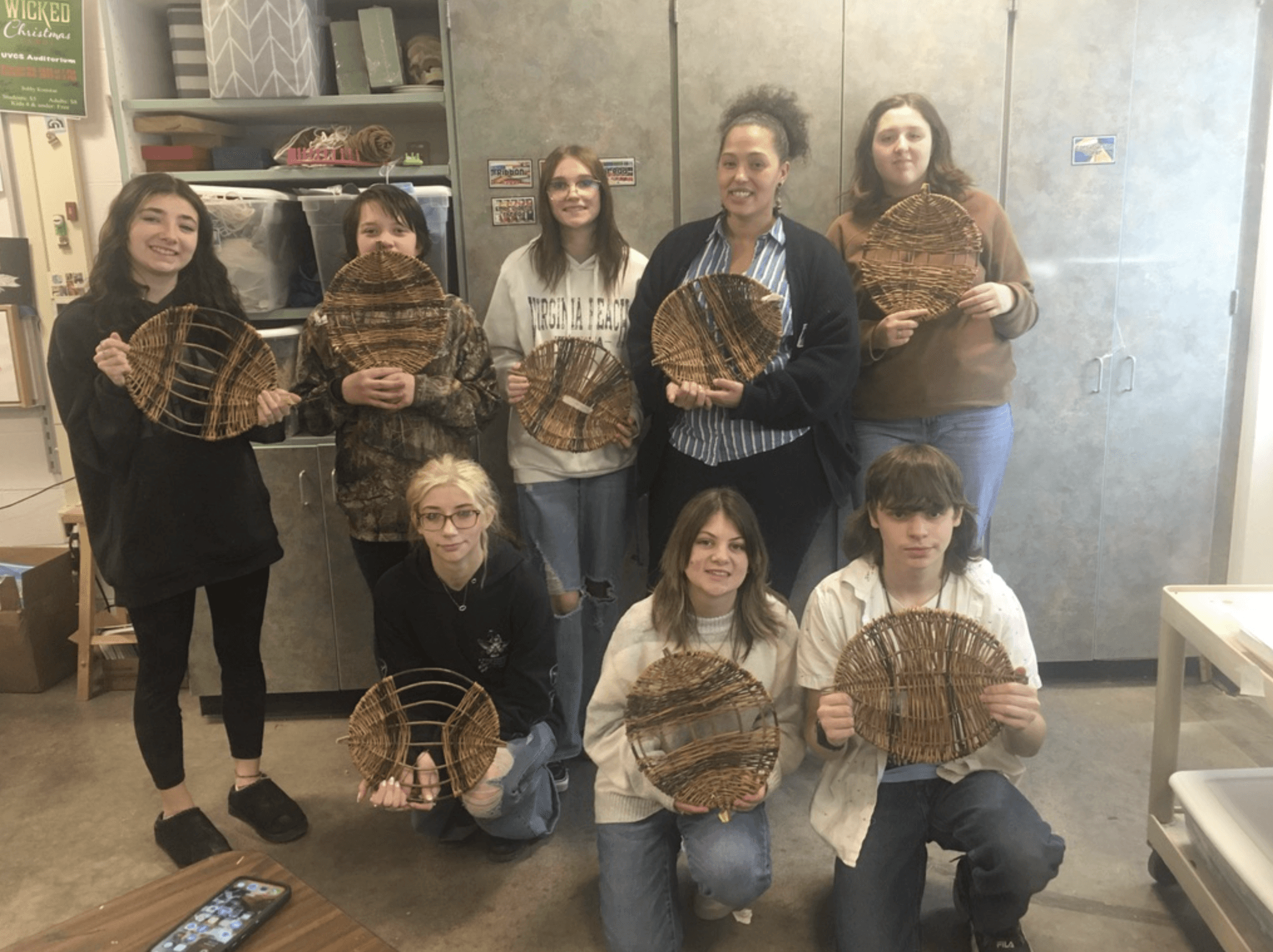
Sandra Kehoe on Frame Baskets (May 30-31)
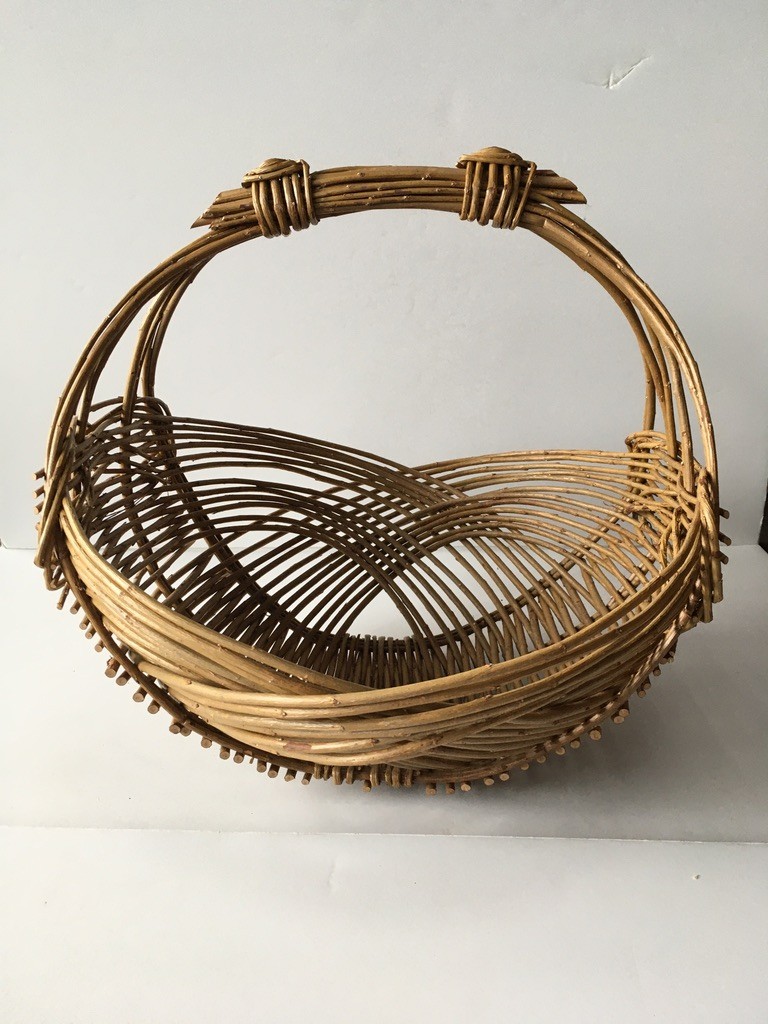
Accomplishments: From a variety of frame trays to full-sized frame baskets with handles and lids.
Techniques Learned: Making frames, weaving techniques, attachments or ribs with or without scalloms, handles and D-shaped lids.
Field Trip 2
June 13
Liverpool Willow Museum tour, Liverpool, New York
The Willow Museum is located in the Hurst Family Basket Shop which was moved to the grounds of the Gleason Mansion in Liverpool. The building is in its original state with the heating stove, weaving benches, display of tools, a soaking tank and baskets hanging from the rafters. We will also visit the adjacent Steamer building where an original steamer is located (powered by a wood fire) and willow was steamed prior to peeling for buff willow. There are further collections of donated Liverpool baskets and furniture on display.
Session 4
June 26-28
Oval Work 1
Accomplishments: Based on skill levels, completion from 2 to 3 small to medium baskets.
Techniques Learned: The wonderful world of French and Liverpool oval bases (slath), base weaves to prevent twisting, new siding weaves and undulating borders, more handles.
Session 5
July 24-26
Oval Work 2
Accomplishments: Based on skill levels, completion from 2 to 3 medium baskets.
Techniques Learned: English underfoot base, upsetting variations, scallomed bases and lids.
Session 6
August 14-16
Oval Work 3
Accomplishments: Completion of one to 2 large baskets.
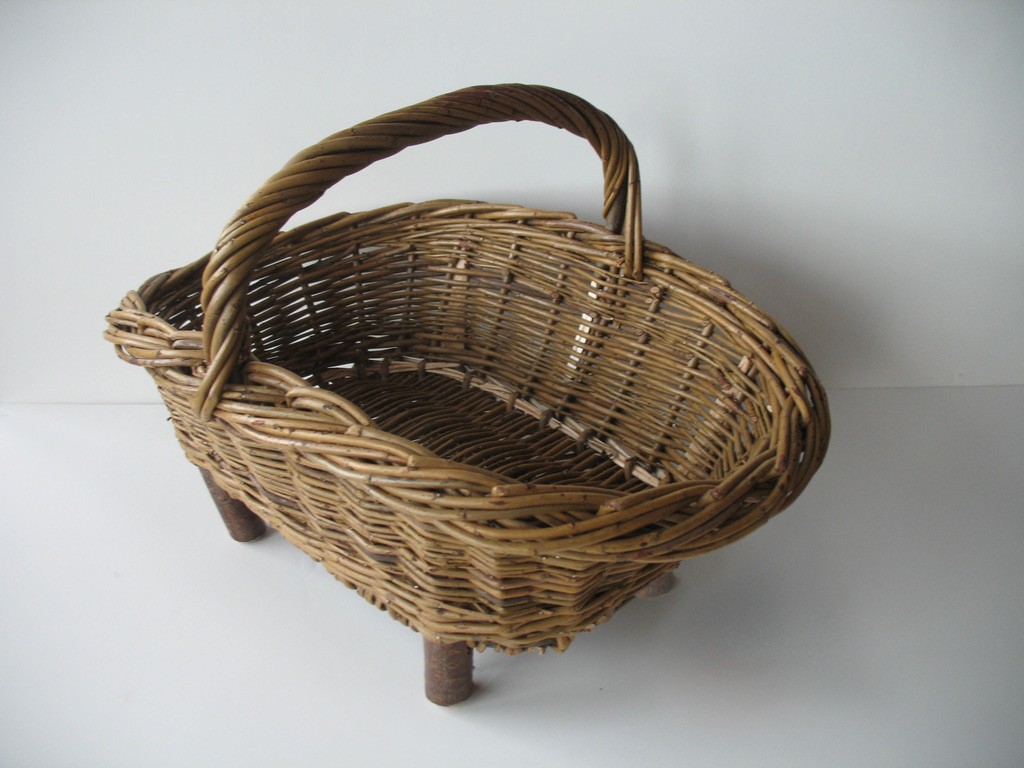
Techniques Learned: More complex oval shapes such bassinets with hoods and picnic baskets with double lids. Student choices.
Field Trip 3
August 29-30
TearUp Basketry Festival, UK
A review of the Festival Link shows the presence of 12 invited "tutors" in the field of European weaving of willow and natural fibres. The weekend Festival will offer short workshops, demonstrations, talks and the selling of baskets and other wares. Along with evening entertainment and food vendors, the weekend promises to be rich and invigorating. Travel time will be additional and attendance at this Field Trip is optional.
Session 7
September 25-27
Square Work 1
Accomplishments: Completion of 2 simple rectangular baskets.
Techniques Learned: Different square base methods and staking up, upsetting and weaves, borders on square work.
Session 8
October 30-November 1
Square Work 2
Accomplishments: Completion of 2 more complex baskets.
Techniques Learned: Student choices.
Session 9
November 20-22
Designing Baskets + Business Issues
Accomplishments: Design exercises. Setting up a Workshop and Successfully Making a Living Being Self-Employed Basket Maker
Ending Ceremony and Party
Homework and Mid-Month Digital Meetings: It is important for students to practice the techniques and baskets between in-person monthly sessions in order to obtain most benefit from the program of instruction. In order to answer questions that might arise and provide support, it is planned to have mid-month digital meetings. The dates and times of these meetings will be arranged by mutual agreement of Bonnie and the cohort of students. Bonnie can also be contacted at any other time with questions by email or a phone call, if necessary.
Application + Registration
The Hembrow School welcomes applicants who align with its mission to provide an education in traditional willow basketry.
Fifteen Reasons to enroll in the Apprenticeship Program of the Hembrow School of Traditional Willow Basketry
Testimonials
Tuition Cost
For 9 three-day weekends (March to November 2026) plus two local field trips and guest instructor and mid-month Zoom calls, the apprenticeship tuition covers over 240 hours of instruction, which works out to be approximately $20 per hour (at the full payment by check) A Bargain!! The UK field trip is not included in this price.
$4,950 *
Course Tuition
Pay in Full
* $4,950 if paying in full by check at the time of registration or $5,120 if paying in full by credit card at time of registration. Payment needs to be received by March 17th, unless other arrangements have been made.
Paying by check: Checks should be made payable to "Bonnie Gale" and sent to 412 County Road 31, Norwich, NY 13815.
Paying by credit card: Click here to make a credit card payment.
Pay in Two Payments
Paying by check: $2,500 if paying at registration by check and the remaining payment of $2,500 by check to be received by March 17th, unless other arrangements have been made.
Paying by credit card: $2,585 if paying by credit card at time of registration and the remaining payment of $2,585 by credit card to be received by March 17th, unless other arrangements have been made.
Other Costs
Materials are at cost or students can bring their home-grown willow but may need to purchase the peeled white or buff willow for some specific baskets.
Accommodation is through negotiated group rates with local bnb and hotels. You may also commute from home, if you are local. Please advise on preference. Please see Registration Form.
Food is partially included. Dinners on two nights of the weekend will be provided.
Application and Registration Process
Registration is open!
01
Student Application
If you want to apply to the School to be accepted as a student, please fill in the Student Application and send in. Only 8 students will be accepted into the 2026 cohort. A waiting list will be taken. After review of the student application has occurred, the student will have an opportunity to have a phone call with Bonnie.
02
Registration Application
Once the student application is accepted, then please fill in the Registration Form which discusses financial aspects and choices. Payment needs to be received by March 17th, unless other arrangements have been made. Congratulations on being accepted into the 2026 Apprenticeship Program at the Hembrow School!
03
Guest Instructor Application
Guest instructors can apply at any time. Please fill in the Guest Instructor Form in the link above and send. A phone chat will be scheduled.
General Contact
If you are interested in participating in the School as a student or guest teacher or have other interest and you have some initial questions, please fill in the Contact Form and send in. Your questions will be answered promptly.